Choosing the right wood rolling pin can influence dough texture, thickness, and overall baking ease. Wood varieties differ in hardness, moisture resistance, and maintenance needs, so selecting the right model matters for pies, pastries, cookies, and pizza dough. This guide profiles five high-quality wood rolling pins, each with distinct advantages in wood type and design. A quick summary table follows to help you compare at a glance, then detailed product sections explain what makes each option a solid choice for American kitchens.
| Product | Brand | Key Feature |
|---|---|---|
| Farberware Classic Wood Rolling Pin | Farberware | Moisture-resistant hardwood, ergonomic handles |
| Aisoso French Rolling Pin | Aisoso | Natural wood, no paint or wax |
| J.K. Adams Maple Rolling Pin | J.K. Adams | Maple hardwood, tapered handles |
| HelferX Beech Non-Stick Rolling Pin | HELFERX | Non-stick surface, long 17.6 in. |
| Geesta Adjustable Wood Rolling Pin | Geesta | Five thickness rings, measurement marks |
Below are five selected options that balance durability, usability, and value. Each product section includes a concise hands-on overview, the official image, and key features extracted from the listed specifications.
Farberware Classic Hardwood Rolling Pin
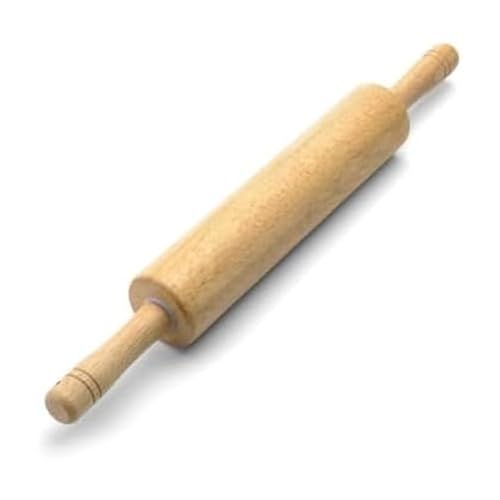
Farberware’s Classic Wood Rolling Pin is built for long-term kitchen use with premium hardwood construction. The design emphasizes moisture resistance to minimize warping, helping bakers maintain consistent dough thickness across batches. The 18-inch overall length combines a 10-inch rolling barrel with 4-inch handles on each side, delivering a balanced, comfortable grip that reduces hand fatigue during extended pastry sessions. The ergonomic comfort grip aids control, enabling steady pressure whether you’re rolling out pie crusts or cookie dough. The smooth surface supports uniform dough sheets with minimal sticking, making it a versatile tool for pizza, pie, cookies, and pastries.
The rolling action is supported by rust-proof nylon bearings, which provide a reliable glide across dough and contribute to consistent results across dough types. This setup minimizes sticking and drift, helping you achieve even crusts and uniform thickness. The combination of durable hardwood and precise hardware makes the pin suitable for frequent, household baking as well as occasional catering tasks. Maintenance is straightforward: wipe clean after use and avoid soaking the wood to extend its life. For best results, occasional light oiling can help preserve the wood’s moisture balance.
Practical implications: this pin is well-suited to bakers who value reliability, a traditional feel, and a larger, steady rolling experience. It can handle a wide range of doughs from pastry to bread dough, though very thick or stiff doughs may require extra time and consistent pressure. Overall, it’s a solid all-around choice for everyday baking in American kitchens.
Aisoso French Rolling Pin
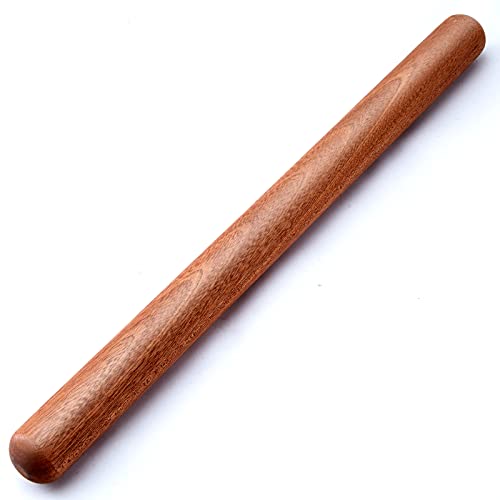
The Aisoso French Rolling Pin is crafted from premium solid wood with careful attention to natural materials. It is made without paint, wax, burrs, or cracking, offering a clean, food-safe surface that many bakers prefer for fondant and delicate doughs. At 17.7 inches long and 1.38 inches in diameter, this pin provides a comfortable balance between maneuverability and leverage, making it ideal for both home bakers and culinary hobbyists. The absence of coatings helps dough glide smoothly while preserving a classic wooden feel under the hand.
The surface is finely polished to deliver a non-stick feel, supporting effortless rolling and reducing dough sticking without relying on flour-heavy surfaces. The wood’s natural properties aid in even heat distribution and moisture management, helping you achieve uniform sheets for pie crusts, cookies, and other pastry tasks. Precision control is a highlight, allowing careful thickness adjustment for projects like fondant work or delicate pastry layers. Cleaning is straightforward, though like most wooden pins, it benefits from hand washing and periodic oiling to maintain the wood’s integrity and smoothness.
Use scenario: ideal for purists who prefer a simple, uncoated wooden tool with a clean, natural finish. Its neutral aesthetics and reliable performance make it a favorite for fondant work, crusts, and other doughs where surface friction is a consideration.
J.K. Adams Maple Wood Rolling Pin
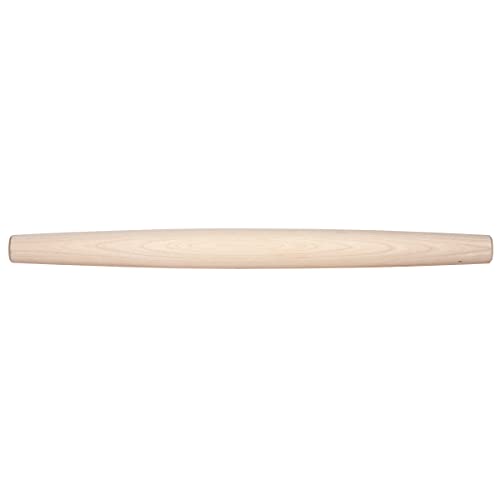
The J.K. Adams Maple Wood Rolling Pin is a classic long-format option, measuring 20.5 inches in length with a 1.75-inch diameter. The French-style tapered handles are designed for easy maneuverability while maintaining sufficient heft for rolling larger sheets of dough. The slightly textured North American hardwood helps retain a light flour dusting, which supports non-stick performance without requiring heavy coatings. This pin strikes a balance between reach and precision, making it well-suited for rolling large pizzas, pie crusts, and sheeted cookies.
The in-the-box design emphasizes practical use, with a focus on control and steady rolling. The wood’s natural texture interacts with flour to reduce sticking, while the tapered handles provide a reliable grip for extended tasks. Care involves keeping the wood dry after washing and periodic oiling to protect grain, especially in drier climates. The combination of maple hardness and a thoughtfully tapered form makes this model a versatile choice for experienced bakers and hobbyists alike.
Applications: ideal for larger dough operations and crust work where longer rolling length improves efficiency. The pin’s non-stick-friendly wood and flour-holding texture help achieve uniform thickness with less effort compared to shorter pins.
HelferX Beech Wood Non-Stick Rolling Pin

The HelferX All-Purpose Rolling Pin uses beech wood and a non-stick surface to facilitate dough rolling across a broad range of recipes. At 17.6 inches in length, this pin offers sufficient length for rolling out dough evenly while remaining manageable for home bakers. Non-stick properties help dough glide smoothly, reducing tearing and sticking through pizzas, pasta dough, pies, cookies, and pastries. The beech wood construction is known for durability and a balanced weight, contributing to a controlled rolling action that supports consistent sheet thickness.
Practical benefits include reliable cleaning and maintenance in busy kitchens. The non-stick coating reduces flour usage and minimizes dough residue on the rolling surface. The longer reach supports thicker doughs, while still allowing finesse when working near edges. For best results, hand wash and dry promptly, then apply a light food-safe oil to preserve the wood’s moisture and prevent cracking or splitting over time. This pin is well-suited for bakers who want smoother rolling with less dough adherence.
Considerations: while non-stick surfaces can simplify rolling, some bakers prefer uncoated wood for fondant or delicate pastry where surface texture matters. This model balances that need with practical everyday use.
Geesta Adjustable Wood Rolling Pin

Geesta’s adjustable wood rolling pin features five thickness rings, built-in measurement markers, and a classic teak body designed to minimize moisture absorption while maintaining a smooth rolling action. The adjustable rings let you dial in exact dough thickness, supporting consistent results for fondant, pizza crusts, pie dough, cookies, and pastries. The handle-free design offers a sleek profile and steady control, while the thicker, sturdy construction ensures durability for repeated use. The rings slide on and off easily, allowing quick changes between recipes during a single baking session.
One notable feature is the included wooden holder, which helps keep the pin secure and accessible during prep. The product states that the rings are dishwasher-safe, though many users prefer hand washing and drying promptly to maximize the wood’s longevity. Teak wood offers natural moisture resistance, and the rings’ five circumference options enable a range of thicknesses from thin to quite thick. For best longevity, wipe clean and periodically oil the wood to prevent cracking in dry environments.
Use cases: ideal for bakers who regularly test thickness or need precise control for fondant layers, cookies, and pies. This model accommodates multiple dough types and offers a compact storage solution with its holder accessory.
GoodCook Everyday Rolling Pin
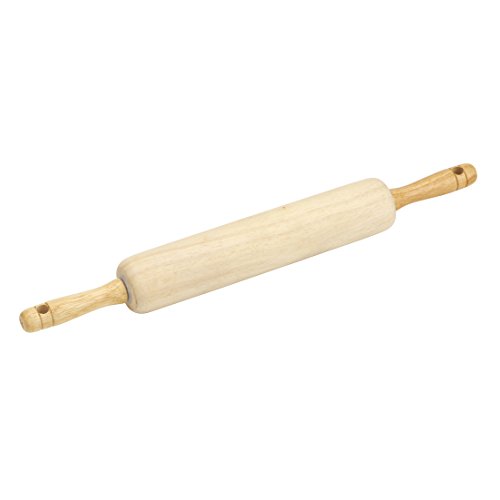
The GoodCook Everyday Rolling Pin offers a straightforward, durable approach with a single-piece hardwood barrel and handles that are water resistant. The barrel is 10 inches long with a 2-inch diameter, a compact size suitable for smaller batches of dough or for beginners learning the craft. The all-in-one hardwood construction promotes consistent rolling and reduces the chance of warping compared to multi-piece designs. While not as long as some French-style pins, the GoodCook model provides reliable performance for cookies, small pastries, and short doughs.
Maintenance remains simple: wipe after use and dry thoroughly. This pin is well-suited for everyday baking, offering a balance of affordability and dependability. Its compact size makes it particularly friendly for kitchens with limited storage or for users who frequently work with smaller dough portions. For best results, apply a light mineral oil occasionally to preserve the wood’s moisture and ensure a smooth roll over time.
Buying Guide
When choosing a wood rolling pin, consider how you bake most often, the space you have, and how you want to care for the tool. The right wood, length, and finish impact dough handling, texture, and cleanup. This guide highlights key purchase considerations and how they apply to the five pinned options above.
Wood Type And Finish
Wood type influences durability, moisture resistance, and how dough responds to the rolling process. Hardwoods like maple, beech, and teak tend to be sturdier and less prone to warping. Uncoated or natural finishes are preferred by bakers seeking a pure wooden feel and safer contact with fondant and pastries. Some pins include a non-stick coating for easier rolling, but others rely on the wood’s texture for dough release. If you bake often with sticky doughs, a non-stick surface can help reduce tearing, though regular oiling remains important for wood integrity.
Size And Thickness Options
Length and diameter determine how much dough you can roll at once. Longer pins help with large batches or pizza dough, while shorter pins can be easier to manage for beginners. Adjustable models with rings or measurement markers offer precise thickness control across recipes, which is especially helpful for fondant, cookies, and pie crusts where uniform sheets are essential. Consider storage space and whether you need a fixed-length tool or a flexible option that adapts to different doughs.
Non-Stick Performance And Maintenance
Non-stick surfaces reduce dough sticking and simplify cleaning, but natural wood with proper dusting and flouring can also be highly effective. If choosing a non-stick pin, verify the materials used and whether they are food-safe. Regardless of finish, avoid soaking wood or exposing it to prolonged moisture. Wipe clean after every use and apply a light coat of food-safe mineral oil to preserve moisture and prevent cracks. Some models claim dishwasher-safe rings or components, but hand washing typically prolongs life for wooden pins.
Ergonomics And Handling
Comfortable handles, balanced weight, and a smooth rolling surface improve control and reduce fatigue. A pin with ergonomic grips or beveled handles facilitates even pressure and prevents user strain during longer sessions. For larger dough tasks, a longer pin with a wider barrel can provide smoother coverage and more even results across the dough sheet. If you anticipate frequent use, prioritize a design that reduces fatigue and maintains consistent performance over time.
Care And Longevity
Wood deserves regular care to prevent cracking and warping. After washing, dry immediately and store away from direct heat or sunlight. Periodic oiling with food-grade mineral oil or beeswax treatments helps maintain moisture and enhances durability. Avoid using abrasive cleaners that can scratch the surface. Teak and beech woods are known for moisture resistance, whereas some pins may require extra attention in high-humidity environments to preserve shape and stability.
Price And Value
Wood rolling pins span a range of prices based on wood type, length, and features like adjustable rings or non-stick finishes. In this roundup, options vary from straightforward wooden pins to those offering advanced thickness control and extended length. Consider your typical baking load, the kinds of dough you roll most often, and whether a feature-rich model justifies the investment for your kitchen routine.
Quick Comparisons By Use Case
- Best for general purpose and reliability: Farberware Classic Hardwood Rolling Pin.
- Best for traditional uncoated wood and fondant work: Aisoso French Rolling Pin.
- Best for large dough sheets and crusts: J.K. Adams Maple Wood Rolling Pin.
- Best for minimal sticking and longer reach: HelferX Beech Non-Stick Rolling Pin.
- Best for precise thickness control and storage: Geesta Adjustable Wood Rolling Pin.