Choosing a wood stove with an efficient blower can dramatically improve room warmth, especially in larger homes or open layouts. This guide spotlights five viable options, including stoves with built-in blowers, blower kits, and heat-powered fans that circulate air without electricity. Each selection emphasizes durable construction, solid heat output, and dependable airflow to spread warmth more evenly and reduce fuel use. Use the summary table to compare capacity, coverage, and installation considerations at a glance, then dive into detailed product sections.
| Product | Brand | Coverage (sq ft) | BTU | Type |
|---|---|---|---|---|
| Ashley AW3200E-P With Blower | Ashley Hearth | 3,200 | 152,000 | Pedestal Stove With Blower |
| Buck Stove Fireplace Insert Model 21 | Buck | 1,800 | 28,901 | Fireplace Insert With Blower |
| Adviace Replacement Wood Stove Blower | Adviace | — | — | Blower Kit |
| Easywave Wood Stove Fan | Easywave | — | — | Heat-Powered Fan |
| JossaColar Heat Powered Fan | JossaColar | — | — | Heat-Powered Fan |
Ashley AW3200E-P With Blower
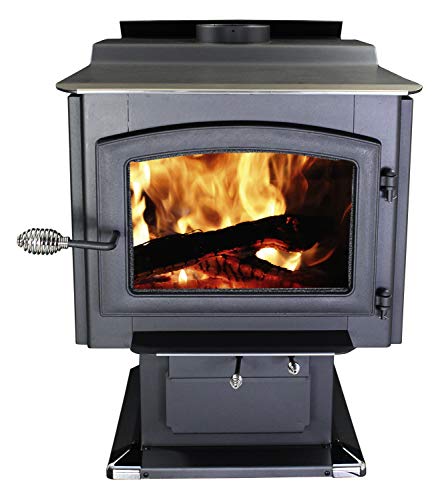
The Ashley AW3200E-P is a high-capacity wood-burning stove designed to heat up to 3,200 square feet and deliver up to 152,000 BTUs, making it ideal for large living spaces or open-floor-plan homes. It utilizes heavy-gauge 3/16 inch reinforced plate steel and a firebrick lining to support long life and efficient combustion. This pedestal stove accepts logs up to 18″–22″ in length and can hold up to 30 pounds of wood, enabling longer burn times between refuels. EPA certification indicates compliance with established emissions standards for cleaner burning.
A built-in blower enhances heat distribution, helping to push warm air into adjacent rooms for more even warmth. The pedestal design elevates the firebox for easier cleaning and maintenance, while the durable construction supports steady performance through multiple seasons. With reliable airflow and robust materials, the AW3200E-P aims to balance powerful heating with straightforward upkeep for residential use.
Buck Stove Fireplace Insert Model 21

Buck Stove Fireplace Insert Model 21 is a non-catalytic option designed to overhaul a traditional fireplace with a modern, efficient heat source. It delivers up to 28,901 BTUs and can heat about 1,800 square feet, providing strong warmth for mid-sized living spaces. The unit features a classic black door with a 12″ faceplate trim kit and offers flexible installation through customizable trim frames that can be cut to size. The design supports traditional aesthetics with options for door colors like Black, Pewter, or Gold to complement different decors.
Among its features, the insert offers a heat-activated blower to accelerate warmth distribution, ensuring a quicker feel of warmth after startup. The combination of a well-sealed firebox, firebrick lining, and a robustly built door contributes to durable performance and reliable heat output across seasons, making it a solid choice for users upgrading an existing masonry fireplace to a more efficient heating source.
Adviace Replacement Wood Stove Blower

Adviace offers a complete Blower Kit intended to upgrade many wood stoves or fireplaces lacking built-in blowers. The kit includes a wood stove blower fan, a 3-prong power cord (6′ long), four mounting screws, one heat gasket, and a rheostat-style variable speed control, providing adjustable airflow and improved heat distribution. The kit is described as UNIVERSAL FIT, covering numerous MHSC Windsor Series models and various GHP Group and vent-free stove configurations, enabling broader compatibility and straightforward installation for a retrofit upgrade.
Key technical notes include an Overall Blower Length with guard of 9.5 inches, height of 5.25 inches, depth of 3.75 inches, and a 110–120V power setup with a 6′ cord and 2,800 RPMs. With a mechanical, non-digital control, this option focuses on practical, retrofit airflow improvement without major stove-disassembly, making it a versatile choice for expanding heat circulation in existing setups.
Easywave Wood Stove Fan

Easywave’s Wood Stove Fan is a compact, heat-powered device designed to move warmth without electricity. The fan automatically converts stove surface heat into a powerful airflow, offering potential energy savings of up to 30%. It mounts magnetically to compatible stove pipes, with a universal clamp to fit non-magnetic flues, enabling use with a wide range of stove types, including wood, pellet, coal, gas, oil, and fireplaces. The magnetic mounting provides quick installation, while the strap option helps secure the unit on pipes with less robust magnetic surfaces.
This accessory emphasizes energy efficiency and simple operation: no batteries or external power are required, and the fan helps distribute heat more evenly across the room. A note recommends ensuring the stove pipe has suitable magnetic quality for reliable operation, and the strap serves as a backup mounting method for safer, steadier performance in diverse layouts.
JossaColar Heat Powered Fan

JossaColar offers a heat-powered Wood Stove Fan designed to circulate warm air without electric power. The unit uses thermoelectric technology and includes a free magnetic thermometer to monitor surface temperature, helping users optimize placement and operation. The fan measures about 6.5 inches in length and 7.7 inches high, and a two-year warranty accompanies the product, with a 30-day refund option if not satisfied. This model is marketed as compatible with wood-burning stoves, pellet burners, and similar heat sources, delivering quiet, maintenance-friendly airflow.
Included in the package is a stove fan and a magnetic thermometer, with a warranty designed to provide assurance on durability. The aluminum blade design is intended to spread heat efficiently, and the compact geometry enables installation in tight spaces commonly found near stoves. This option emphasizes simple, electricity-free airflow to complement primary heating sources.
Buying Guide
Key purchase considerations
- Blower type: Decide between an integrated built-in blower (stove with blower) for maximum warmth, a blower kit for retrofit upgrades, or a passive/heat-powered fan for electricity-free operation.
- Heat output and space size: Match BTU ratings and coverage to the square footage you want to heat. Larger spaces benefit from higher BTU and efficient air distribution.
- Fuel compatibility and log length: Check log length support and fuel type compatibility to ensure it suits your stove model and fuel habits.
- Installation and retrofit effort: Retrofit kits and trim options may require professional installation, while integrated blowers often offer easier setup with compatible stoves.
- Efficiency and emissions: EPA-certified models generally provide cleaner burning and better long-term efficiency.
- Airflow control and noise: Look for adjustable speeds (where applicable) and consider potential noise from fans in living spaces.
- Durability and materials: Steel thickness, firebrick lining, and overall build quality influence long-term performance and maintenance needs.
- Maintenance: Access to ash, ease of cleaning, and availability of replacement parts can simplify annual upkeep.
- Safety and warranty: Verify safety features and warranty terms to protect your investment over time.
- Budget and return on investment: Consider upfront cost against expected heating savings and comfort gains.
Comparisons and practical guidance
- Integrated blowers vs blower kits: Integrated blowers deliver heat directly from the stove for maximum warmth, while blower kits offer retrofit flexibility for older stoves lacking airflow solutions.
- Heat-powered fans vs electric blowers: Heat-powered fans require no electrical connection and rely on stove temperature, but may offer slower airflow onset compared to motor-driven blowers.
- Stove inserts vs free-standing stoves: Fireplace inserts with built-in blowers enhance efficiency in existing fireplaces, while freestanding stoves provide greater placement versatility and aesthetic options.
- Materials and durability: Stoves with firebrick linings and reinforced steel tend to endure longer under high heat, contributing to consistent performance over years.
- Noise and airflow control: If quiet operation is important, prioritize models with smoother blade designs and controlled airflow; consider placement to minimize perceived noise.