Choosing the right stain for white oak cabinets involves balancing color, durability, and ease of application. The right finish can highlight the oak’s distinctive grain while protecting surfaces from daily wear. This guide reviews five popular stains that work well on white oak, covering water-based and oil-based options, light and warm tones, and faster-drying formulas. You’ll learn which products are best for kitchens, bathrooms, and furniture alike, with practical tips on prep, application, and long-term maintenance.
| Product | Brand | Key Benefit |
|---|---|---|
| Varathane White Oak Water Based Stain | Varathane | Low odor, one-coat color on white oak |
| Minwax Golden Oak Wood Finish | Minwax | Deep, warm oil-based color with quick-use feel |
| Varathane Antique White Premium Fast Dry Wood Stain | Varathane | One-coat coverage, fast-drying oil-based formula |
| Furniture Clinic Natural Oak Stain | Furniture Clinic | Water-based, fast drying, 12 colors |
| SamaN Interior Natural Wood Stain | SamaN | Odorless, low VOC, one-coat finish |



Varathane White Oak Water Based Stain
Varathane 384807 Water Based Wood Stain delivers a rich, even tone on white oak with a single coat on many surfaces. Its low-odor, low-VOC formula reduces indoor fumes, making it suitable for kitchens, living areas, and cabinets that see daily use. The advanced pigments are designed to enhance the natural warmth and grain of white oak, producing a durable color that resists fading when protected with a topcoat. While you can achieve a darker color with additional coats, many projects benefit from a single, even pass that preserves the wood’s texture. Cleanup is simple with soap and water.
To optimize results on white oak cabinets, sand lightly to smooth any rough grain, wipe away dust, and test color on a hidden area before committing. Apply with a clean cloth or a foam brush along the grain, using long, even strokes to avoid lap marks. Allow the stain to dry according to the manufacturer’s directions, then assess color and add coats as needed for depth. When finished, seal with a compatible topcoat to protect the surface from moisture and daily wear.
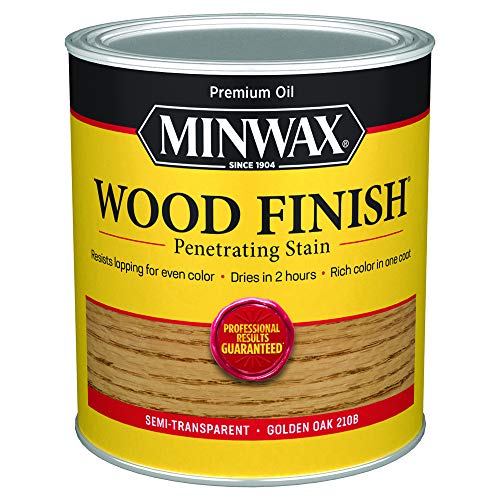
Minwax Golden Oak Wood Finish
Minwax Wood Finish Golden Oak is a rich, oil-based stain that deeply penetrates wood to bring out natural grain in a single coat. It creates a warm amber tone that complements light to medium oak, including white oak cabinetry. The oil-based formula tends to bead well in pores, producing depth and character, but it dries more slowly than water-based products. Typically, a couple of hours are needed to cure before applying a protective topcoat. The finish resists fading and provides long-lasting color, ideal for interior cabinetry and furniture.
To apply on white oak cabinets, follow the grain with a clean cloth or brush, wipe away excess to avoid lap marks, and condition bare wood if needed for even uptake. Maintain steady, thin coats and allow adequate drying time between passes. After the final coat, buff lightly with a soft cloth and apply a compatible topcoat such as polyurethane or acrylic for added durability. Odor is higher with oil-based finishes, so ensure proper ventilation during staining and curing.
Varathane Antique White Premium Fast Dry Stain
Varathane Premium Fast Dry Wood Stain in Antique White offers a light, neutral tone ideal for white oak cabinets seeking a clean, contemporary look. The oil-based formula provides one-coat coverage on many interior surfaces, delivering depth while preserving the wood’s natural grain. It dries to the touch within about an hour and can cover large areas quickly, making it suitable for projects with tight timelines. The lighter white shade helps minimize blotching on open-pore oak when preconditioning is not used, yet it can still be deepened with additional coats for more color.
For cabinets, test on a hidden panel first, then apply with a brush or rag following the grain. Work quickly to prevent laps, and allow full dry time between coats. After finalizing the color, topcoat with a protective sealant to maximize durability. Odor and ventilation considerations are more pronounced with oil-based products, so ensure good airflow during staining and curing.
Furniture Clinic Natural Oak Stain
Easily manageable and versatile, Furniture Clinic Wood Stain in Natural Oak is water-based, fast-drying, and designed to work across indoor and outdoor wood surfaces. It penetrates evenly for uniform color, delivering a natural matte finish in roughly 10 minutes. The stain is low odor and non-toxic, making it a practical choice for kitchens and living areas where families live and children play. It comes in a range of colors with consistent results, so you can match or adjust the oak’s warmth. The 250ml bottle covers about 3 square meters, with larger sizes available.
Because it is water-based, cleanup is simple with soap and water, and it dries quickly to a natural matte finish that hides brush marks. For best results on white oak, prepare the surface by removing dust and applying a light sanding; test color on scrap first. If you want richer color, consider multiple coats, letting each dry before reapplying. The product’s low odor helps maintain indoor air quality, but always ensure adequate ventilation during staining and curing for cabinets that see frequent use.
SamaN Interior Natural Wood Stain
With twenty years of North American experience, SamaN Interior Wood Stain is a trusted option for professionals and DIYers. The Natural Stain version is water-based, low odor, and low VOC, designed to minimize health and environmental impact while delivering a clean, even color on furniture, moldings, and cabinets. One-coat coverage makes it convenient for projects that require speed, and the product’s consistency helps minimize overlap marks. It is suitable for indoor use and features fast drying plus safe handling for homes with kids or pets.
Users should test on a hidden area first and apply with a clean cloth, brush, or sponge in the direction of the grain. If discoloration occurs, wash and reapply; additional coats can deepen color, though the one-coat claim is typical for light coverage. The product emphasizes environmentally friendly practices, so look for compatible topcoats that maintain its low-VOC profile. Regular maintenance includes gentle cleaning and periodic reapplication to refresh color on high-traffic surfaces like kitchen cabinets.
Buying Guide
Color Goals And Oak Grain
White oak has a pronounced grain and open pores that can take stain unevenly if not prepared. Light, natural, and warm ambers each reveal different facets of the grain. For blotching-prone oak, choose stains designed to minimize blotch or use a pre-stain conditioner. Water-based stains tend to illuminate grain with a lighter touch, while oil-based formulas can deepen color and add warmth. Consider testing multiple options on scrap wood or an inconspicuous cabinet panel to see how the stain interacts with your oak’s pores and figure before committing.
Product Type And Drying Time
Water-based stains dry quickly, have lower odor, and cleanup with soap and water, making them popular for kitchens and living spaces. Oil-based stains generally provide richer color and longer wear, but require ventilation and longer cure times. When time is a factor, fast-drying options from Varathane or SamaN can help complete projects in a weekend. Always check the label for recoat windows and the recommended topcoat compatibility to ensure the stain performs as expected in high-traffic areas.
Application And Maintenance
Prep is key: sand the surface smooth, remove dust, and test color first. Apply with a brush, cloth, or sponge in the direction of the grain, using thin, even coats to avoid lap marks. Allow each coat to dry fully before applying more. Topcoats such as polyurethane or acrylic sealers protect color from moisture and wear. For cabinets, plan recoat intervals based on usage and cleaning frequency. Regular maintenance—gentle cleaning and prompt touch-ups—helps preserve color and finish over time.
Sheen, Durability, And Topcoat Options
Choose a sheen that matches your cabinet style: matte for a natural look, satin for easy cleaning, or semi-gloss for kitchen cabinets that require more washability. Durability depends on the stain and the topcoat; oil-based stains with a polyurethane topcoat typically offer strong wear resistance, while water-based finishes can be easier to maintain and touch up. Ensure topcoat compatibility with the chosen stain to avoid color shift, yellowing, or surface issues over time.
Cabinet Compatibility And Practicality
Consider the cabinet environment: kitchens demand better moisture resistance and heat tolerance, while living spaces may benefit from lower odor and quicker project completion. For open-pore white oak, blotching can be reduced with conditioners or by choosing stain formulations designed for uniform uptake. Factor in cabinet color goals, existing finishes, and whether you prefer a natural or enhanced grain look. Finally, compare product labels for coverage per quart, drying times, and recommended thickness to estimate the amount you’ll need for a typical cabinet job.