Pilea peperomioides, known as the pancake plant, thrives in airy, well-draining soil. The right mix helps prevent root rot and supports steady growth of its round leaves. In American homes, a light, fast-draining potting mix paired with careful watering yields the best results. This guide focuses on soil choices that suit Pilea’s needs and reviews five related products to help you pot, repot, or refresh your plant collection.
From well-draining potting mixes to lightweight substrates, the right soil supports healthy roots and vibrant foliage. The following product picks illustrate how soil-friendly packaging, small-pot options, and easy-care features can align with practical soil choices for Pilea peperomioides.
| Product | Brand | Pot Size | Notes |
|---|---|---|---|
| Bumble Plants Friendship Chinese Money Plant | Bumble Plants | Nursery Pot | Round leaves; easy care; winter packaging included |
| Optiflora Set Of Two Pilea Plants | Optiflora | 2″ Pots | Two plants; CA shipping notice; temperature considerations |
| Optiflora Pilea Peperomioides | Optiflora | 2″ Pot | Easy-care; CA shipping; compact starter plant |
| Thirsty Leaves Chinese Money Plant Live Plant | Thirsty Leaves | 4″ Pot | Pet-friendly; bright indirect light; water when soil dries |
| Prime Plants California Chinese Money Plant | Prime Plants California | 4″ Pot | Air-purifying; easy to care for; 4″ pot |
Bumble Plants Friendship Chinese Money Plant

The Bumble Plants specimen features distinctive, round coin-shaped leaves and a modern, minimal look that fits many interiors. For soil, start with a light, well-draining mix to support its shallow roots and prevent prolonged moisture retention. Use a standard potting soil enriched with perlite or pumice to increase drainage, and place the plant in bright, indirect light. Water when the top 2 inches of soil feel dry, which aligns with the plant’s described low-maintenance care. Since the plant ships in winter packaging, handle repotting and soil refreshment promptly after arrival to establish a healthy root system. Choose a container with drainage holes to avoid waterlogged soil and root rot.
The plant’s compact size makes it suitable for desks, shelves, and countertops. Its easy-care nature means you can maintain a forgiving soil mix and still enjoy lush, round foliage. Regular checks for soil moisture and occasional repotting into a fresh, airy mix will support steady growth and prevent issues associated with overly dense soils.
Optiflora Set Of Two Pilea Peperomioides

Two starter plants arrive in 2″ pots, making it practical to establish a pair of Pileas in separate spaces or share pups with friends. For soil, consider a very light, well-draining mix because the small pots can dry quickly. Avoid waterlogging by using a pot with drainage holes and a soil mix that includes perlite or coarse sand to improve aeration. The shipping note advises caution with temperature extremes, so plan for a quick acclimation period once the pups land in your home. Bright indirect light will support healthy growth and leaf development in both plants.
With two plants, you can compare different soil tweaks—one in a standard potting mix and the other in a slightly lighter blend—to observe how drainage affects root health and new growth. This approach helps tailor soil choices to your indoor environment and watering schedule.
Optiflora Pilea Peperomioides 2-Inch Pot

The 2″ pot Pilea from Optiflora offers a compact starter plant with easy-care characteristics. For soil, a light, well-draining mix is ideal to prevent soggy conditions in the small container. Use a blend such as 2 parts potting soil, 1 part perlite, and 1 part peat moss or coco coir to maintain air flow to the roots. Keep the plant in bright, indirect light and water after the soil dries to a depth of about an inch. Because of the smaller pot size, monitor moisture closely and avoid overwatering. This starter plant is a good test case for fine-tuning your soil formulation before repotting into a larger container.
The CA shipping note underscores the need to manage temperature during transit and after arrival. Plan to refresh soil soon after potting to establish a healthy root zone and support robust new growth.
Thirsty Leaves Chinese Money Plant 4-Inch
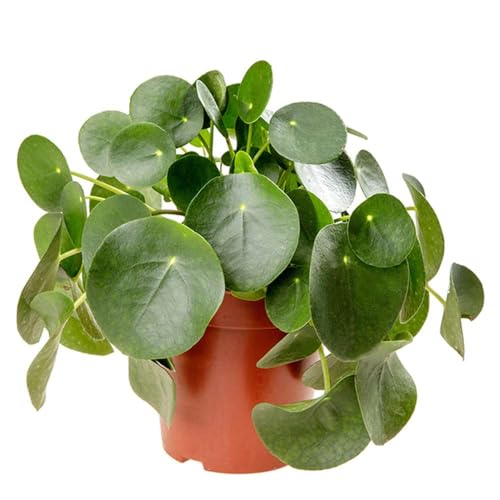
The Thirsty Leaves plant is offered in a 4″ pot and is described as pet-friendly and easy to care for. For such a plant, a well-draining soil mix is essential to prevent root rot. A practical approach is to combine standard potting soil with perlite or pumice to improve drainage and aeration. Place the plant in bright, indirect light; water when the top layer of soil feels dry. With a slightly larger pot, you have more leeway to refresh soil less frequently while maintaining good drainage. This option suits living rooms, offices, and bathrooms where space is at a premium but light is available.
Varieties in 4″ and 6″ pots offer flexibility for different room layouts. Ensure you provide drainage and avoid soggy soil to keep the leaves lush and the roots healthy.
Prime Plants California Chinese Money Plant

The Prime Plants California Chinese Money Plant is marketed as an air-purifying, easy-care indoor plant in a 4″ pot. For soil, a light, well-draining mix helps prevent soggy roots and supports steady growth. Use a mix that includes perlite or pumice to promote drainage and keep the soil buoyant around the shallow roots. Bright indirect light and a modest watering schedule—allowing the soil to dry slightly between waterings—are recommended for consistent growth. The plant’s ADA-friendly care profile makes it suitable for beginners and seasoned plant lovers alike, especially when paired with a soil that drains efficiently and resists compaction.
When potting, select a container with drainage holes and consider repotting every one to two years to refresh both soil and root space. A well-chosen soil mix will maximize the plant’s health and leaf development over time.
Buying Guide
Key purchase considerations for Pilea peperomioides soil:
- Drainage is critical. Choose a soil mix that remains evenly moist but never waterlogged. In practice, use a potting soil blended with perlite, pumice, or coarse sand to boost drainage.
- Aeration matters. Avoid heavy, compact soils that hinder root oxygen. Lightweight mixes support root expansion and faster recovery after watering.
- Pot and drainage. Always use pots with drainage holes. Select a size that matches the plant’s current root ball and allows room for growth.
- Watering strategy. Pilea peperomioides prefer to dry slightly between waterings. Adjust frequency based on light, temperature, and pot size. Don’t follow a rigid schedule if the soil remains moist.
- Soil components. A balanced mix can include standard potting soil plus additives like perlite, pumice, or orchid bark for texture. A DIY 2:1:1 ratio (potting soil : perlite : orchid bark) is a common starting point for well-draining blends.
- Fertilization. Use a diluted, balanced fertilizer during the growing season, but avoid over-fertilization which can stress roots when soil is compact or water retention is uneven.
- Seasonal considerations. In winter, temperature fluctuations can affect root health. Ensure soil dries safely between waterings and protect plants during shipping with appropriate packaging.
- Product selection. When choosing plants, consider pot size, shipping conditions, and whether the soil needs refreshing after arrival. Starter pots may require repotting into a more breathable mix for long-term health.
The right soil foundation helps Pilea peperomioides keep its iconic round leaves and compact habit. Combine the right potting mix with appropriate light, watering, and ambient conditions to support healthy growth across the five featured options and beyond.