Old plaster walls present unique challenges: dust, cracks, and variable porosity can hinder paint adhesion and lead to premature peeling. The right primer acts as a breathable, durable foundation that seals dust, stabilizes surfaces, and prepares plaster for paint or finish plasters. Below are five top options chosen for plaster-ready performance, ranging from repair-ready spackling with built-in primer to specialty primers designed for Venetian and lime plasters. Each product has strengths that suit different conditions—interior or exterior, Cracked plaster, or smooth Venetian finishes. Use this guide to compare options and pick the primer best suited to your project’s needs and climate.
| Product | Brand | Key Benefit |
|---|---|---|
| Gorilla Wall Repair Spackling + Primer | GORILLA | Repair-ready, built-in primer; easy to spread; smooth finish |
| Meoded Quartz Primer For Plasters | Meoded Paint & Plaster | Premium water-based acrylic; quick-drying; versatile for Venetian and lime plasters |
| Polar Clear Binding Primer | Polar Specialist Coatings | High adhesion; seals and stabilizes; breathable, low VOC |
| FirmoLux MicroPrimer For Lime Plasters | FirmoLux | Penetrating quartz primer; bonds lime plasters to walls |
| Atova Spiver Primer S For Venetian Plaster | Atova International | Smooth-effect primer for Venetian plaster finishes |
Gorilla Wall Repair Spackling + Primer

Gorilla’s Heavy Duty Wall Repair Spackling + Primer provides a compact solution for damaged plaster. The product combines a heavy-duty repair spackling with a built-in primer, enabling you to fill holes and cracks and immediately prepare the surface for paint. The lightweight formula spreads with ease, offering precise control and minimizing sag, shrinkage, or cracking as it dries. The result is a smooth, paint-ready surface that often eliminates the need for sanding, delivering a professional finish on walls with varied textures. This makes it particularly useful on older plaster where resilience and finish consistency are concerns.
When applying, clean the surface to remove dust and loose material, then apply in thin, even coats. Follow the product directions for curing time, since old plaster can hold moisture differently across a wall. The finish typically accepts drywall-style paints, helping to preserve or enhance textured plaster while delivering a durable base for subsequent coats. This option is ideal for quick, repair-focused projects where you want both patching and priming in one step.
Meoded Quartz Primer For Plasters

Meoded Quartz Primer stands out as a premium water-based primer designed specifically for plaster surfaces. This 100% acrylic formula dries quickly and creates a textured, even base that suits Meoded plasters and other traditional plasters such as Venetian and lime finishes. Its single-layer application can simplify prep on walls that show variable porosity or old plaster patches. The primer aids adhesion while maintaining breathability, which is essential for historic or lime-based plaster systems that require moisture management to prevent future issues such as cracking or peeling. Interior and exterior use make it versatile for different project needs.
For older plaster walls, Meoded’s quartz primer can help standardize the surface before applying decorative plasters or paint. Surface preparation remains important: remove dust, vacuum cracks, and address any active moisture concerns prior to priming. One coat is typically sufficient, though you should follow the manufacturer’s guidance based on wall condition and climate exposure. The result is a stable, paint-ready base that supports long-lasting finishes on plaster surfaces with varied absorption.
Polar Clear Binding Primer
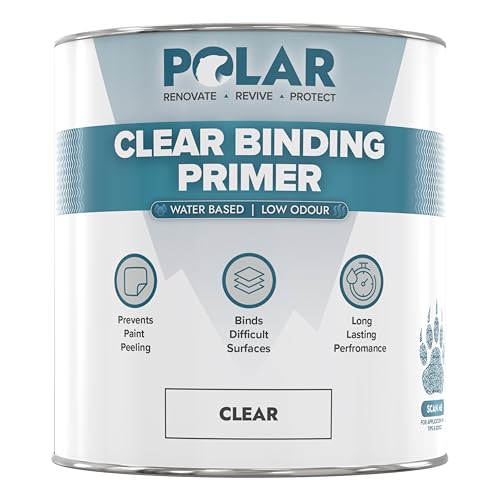
Polar Clear Binding Primer emphasizes sealing and stabilizing damaged or porous plaster surfaces. This high-adhesion primer forms a flexible acrylic film that bonds tightly to old paint and problem areas, helping to prevent future peeling and flaking. Its low VOC, water-based composition is breathable, allowing moisture to escape while maintaining a strong foundation for subsequent coatings. Suitable for both interior and exterior applications, it’s an excellent choice when you need a robust primer that respects plaster’s natural moisture movement. The clear base helps avoid color casting and is particularly useful when you plan to use light-colored or translucent finishes.
In practice, apply a single or thin multiple coats as recommended, ensuring the surface is clean and dry. Old plaster can have variable absorption; bonding performance improves with proper surface prep. If moisture has affected plaster in the past, consider additional stabilization steps before priming. Polar’s balance of adhesion, breathability, and low odor makes it a solid, versatile option for many plaster projects, from patch repairs to full-wall priming for paint or lime plasters.
FirmoLux MicroPrimer For Lime Plasters

FirmoLux MicroPrimer is a water-based penetrating quartz primer made in Italy for lime plasters. It focuses on creating a strong bond between lime plaster finishes and the wall, which is essential when working with lime-based systems or Venetian plasters. The primer is designed to improve adhesion on surfaces that may have low absorption, helping unify the substrate before applying decorative plasters or paints. This product’s Italian origin and formulation emphasize compatibility with traditional lime plasters, ensuring a reliable base that respects the natural breathability and aging characteristics of plaster walls.
When using FirmoLux MicroPrimer, consider the plaster type and its expected moisture behavior. Lime plaster often benefits from primers that penetrate and bond without forming a hard, impermeable shell. A light, even application helps maintain plaster integrity while providing a solid foundation for subsequent plaster coats or paints. For best results, follow the manufacturer’s instructions regarding cure time and surface preparation, especially on walls with historic finishes or humidity exposure.
Atova Spiver Primer S For Venetian Plaster
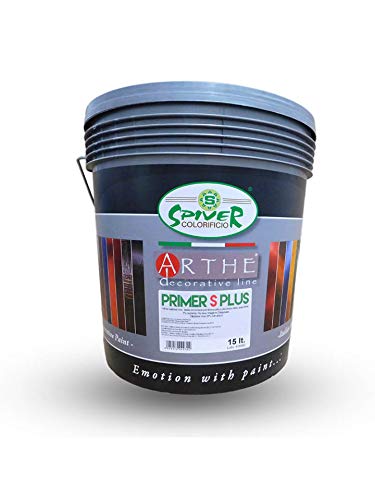
Atova Spiver Primer S is designed for smooth Venetian plaster finishes. This primer targets adhesion on smooth supports with low absorption, including concrete, cellular cement, plasterboard, or plaster. The 1-liter formulation is intended to create a reliable bonding layer that helps subsequent Venetian plaster or decorative coats adhere evenly to the substrate. For projects aiming to reproduce the depth and sheen associated with Venetian plaster, this primer can help ensure a consistent base and predictable application characteristics across walls that exhibit low porosity or smooth textures.
Application guidance should focus on preparing smooth, dust-free surfaces and applying an even coat to establish a stable film. Its compatibility with various smooth substrates makes it suitable for both interior walls and surfaces that require a refined, plaster-like finish. As with all primers, allow adequate drying time before applying the decorative plaster or paint, and follow up with appropriate sealants if moisture exposure is a concern in humid environments.
Buying Guide
Choosing the right primer for old plaster walls depends on surface condition, plaster type, and the desired final look. Consider these factors to align your choice with project goals:
- Surface condition and porosity: Old plaster can be dusty, cracked, or uneven. Primers with strong adhesion and sealing properties help stabilize the surface and improve subsequent coatings.
- Plaster type and finish: Lime, Venetian, and lime-based plasters benefit from penetrating primers that bond with mineral substrates. For Venetian finishes, primers designed to support smooth, decorative plaster work are advantageous.
- Breathability and moisture: Plaster surfaces breathe. Choose primers that are breathable and allow moisture to escape while forming a durable film to prevent blistering or peeling.
- Interior vs exterior use: If walls are exposed to weather or temperature changes, select primers rated for exterior use or with enhanced moisture resistance and UV stability.
- Adhesion vs seal: Some primers emphasize adhesion to existing paint or plaster, while others focus on sealing dust and stabilizing loose material. In practice, a combo approach (seal + adhesion) often yields the best results on aged plaster.
- Finish and sanding: Some products promise sanding-free finishes, which helps preserve texture on plaster walls. If a smooth finish is desired, ensure compatibility with subsequent coats and finishes.
- Application context: For patch repairs, a repair-and-prime solution (like Gorilla’s product) can save time. For decorative plasters, specialty primers (Meoded, FirmoLux, Atova) may offer superior bonding with lime or Venetian plasters.
In practice, assess the wall’s history and current condition. If you’re dealing with flaking finish or dusty surfaces, start with a bonding primer to stabilize the substrate, then apply a finishing coat or decorative plaster. For plaster walls with touch-up repairs, a product that includes a built-in primer can simplify the process and reduce layers. Always follow label directions for surface prep, drying times, and number of coats to maximize performance and longevity of your plaster finish.