Choosing the right primer for aluminum siding improves rust resistance, adhesion, and topcoat performance. This guide reviews five primers suitable for bare aluminum and weathered surfaces, explaining how each handles etching, corrosion protection, and outdoor exposure. The selections balance ease of use, drying times, and coverage for both small repairs and larger jobs. See the summary table below to compare key details at a glance.
| Product | Brand | Type | Key Benefit |
|---|---|---|---|
| Rust-Oleum 254170 Aluminum Primer Spray | Rust-Oleum | Oil-based Primer Spray | Excellent rust protection; quick dry; topcoat ready |
| Rust-Oleum Stops Rust Aluminum Primer | Rust-Oleum | Water-based Primer (Aluminum) | Strong rust prevention; large-area coverage |
| JENOLITE Universal Etch Primer | JENOLITE | Self-etch Primer | Etches and primes tough surfaces including aluminum |
| Eastwood Self Etch Primer Gray | Eastwood | Lacquer-based Self-etch Primer | Etches and primes bare metal; no catalyst required |
| Custom Shop Self Etching Primer Spray | Custom Shop | Acid Etch Primer | Strong anti-corrosion barrier; fast drying; direct topcoat |
Rust-Oleum Aluminum Primer Spray

The Rust-Oleum 254170 Aluminum Primer Spray is designed specifically for bare aluminum, creating a solid base for topcoats. The oil-based formula offers rust protection and a durable finish that stands up to weathering and outdoor exposure. It promotes adhesion and helps color stay consistent under varying temperatures and moisture. This primer can cover up to 14 square feet per can, and it dries to the touch in about 15 minutes, enabling a faster workflow for projects with tight timelines. Suitable for indoor and outdoor use, it serves as a reliable base for enamel, acrylic, or latex topcoats.
Application considerations include ventilation and multiple light coats rather than a single heavy layer to maximize adhesion. The product’s compatibility with different topcoats makes it a versatile choice for aluminum siding repairs, rails, trim, and small to mid-sized panels. When preparing aluminum for exterior paint, this primer helps resist chalking and color fade over time, contributing to a durable, long-lasting finish.
Rust-Oleum Stops Rust Aluminum Primer

Rust-Oleum Stops Rust Aluminum Flat Primer provides a weather- and corrosion-resistant base designed for aluminum and related metals. The water-based acrylic formula emphasizes rust prevention while maintaining a lower odor profile and easier cleanup. It dries to the touch in about 1–2 hours and covers a broad area, typically between 55 and 90 square feet per can, making it well-suited for larger siding sections or whole-house projects. The product’s exterior/interior compatibility makes it a flexible choice for varied environments, from coastal locales to regions with higher humidity.
The primer’s formulation balances ease of use with durable protection, supporting topcoats such as acrylic, oil-based, or hybrid finishes. For aluminum siding, ensure proper surface cleaning and degreasing prior to application, and consider a second light coat for uniform color and adhesion. This primer works well as a bridge for long-term protection against rust and weathering on exterior panels and trim.
JENOLITE Universal Etch Primer

JENOLITE Universal Etch Primer is a grey self-etch primer engineered for challenging surfaces, including aluminum, galvanized steel, stainless, and GRP plastics. It creates a prepared, toothy surface that enhances topcoat adhesion, reducing the need for heavy sanding. The formula is designed to be topcoat ready, enabling faster project turnaround. Measuring 13.5 fluid ounces, this primer is ideal for DIYers tackling aluminum siding sections with a focus on strong initial bonding and durable corrosion resistance. It pairs well with several topcoats, including epoxy and polyurethane systems, for a long-lasting finish.
Users should follow standard surface preparation steps: clean the metal, remove oxidized layers, and apply in a well-ventilated area. For best results, apply thin, even coats and allow appropriate drying time between passes. This product is particularly helpful when working with previously painted or weathered aluminum where adhesion can be a concern.
Eastwood Self Etch Primer Gray

Eastwood Self Etch Primer Gray is a lacquer-based primer that etches and primes bare metal in one step. The product is designed to maximize adhesion and durability for subsequent topcoats, with no catalyst required in the standard package. This makes it convenient for quick turnarounds and projects where speed matters. It is suitable for a range of metals, including steel, aluminum, and chrome, and is widely used in automotive and metal fabrication settings where a robust bond between metal and paint is essential.
The self-etching action helps secure the topcoat to aluminum siding substrates that may have slight oxidation or contamination. As with all etch primers, surface prep remains critical: ensure the surface is clean, dry, and free of contaminants before applying. This primer pairs well with many automotive and architectural finishes that demand a strong, corrosion-resistant base layer.
Custom Shop Self Etching Primer Spray
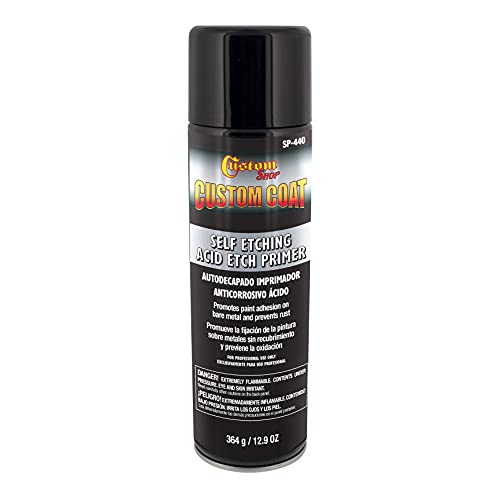
Custom Shop Self Etching Primer Spray is a gray acid-etch primer designed for metal surfaces including aluminum, steel, and stainless. It creates a robust anti-corrosion barrier that etches and primes bare metal so topcoats adhere more reliably. The fast-drying formula enables priming and protection in fewer steps, which is beneficial for projects with tight schedules. It also supports direct topcoating without extensive sanding, thanks to its advanced adhesion technology. This primer is favored by automotive and metalwork professionals seeking strong initial bonding on challenging substrates.
For best results, apply in thin, even coats and follow with the recommended topcoat within the instructed recoat window. Always work in a well-ventilated area and use appropriate PPE. While designed for bare metal, it can be effective on weathered aluminum when properly prepared and cleaned beforehand.
Buying Guide
Key purchase considerations help determine the right primer for aluminum siding across different projects and climates:
- Substrate condition: Bare aluminum requires etching primers for optimal adhesion, while weathered or oxidized siding benefits from self-etch formulations that bite into the surface.
- Primer type: Self-etch or acid-etch primers are typically best for aluminum because they create a roughened surface that improves topcoat grip. Oil-based primers offer strong rust protection but may require longer dry times; water-based options reduce odors and cleanup effort but may have different aging characteristics.
- Topcoat compatibility: Check that the primer is compatible with your chosen topcoat (latex, acrylic, enamel, epoxy). Some primers are optimized for epoxy or enamel finishes, while others work well with multiple systems.
- Drying and recoat windows: Dry times vary by formula. Oil-based primers often dry to touch quickly but may require longer curing before topcoating, while water-based primers dry faster but can be sensitive to humidity and temperature.
- Coverage and project size: Larger siding areas benefit from primers with higher coverage per can or gallon. Plan for a second coat if you’re targeting even color and maximum protection.
- Ventilation and safety: Aluminum siding projects outdoors or in well-ventilated spaces minimize exposure to fumes. Always follow the product’s safety data sheet for ventilation, wear, and cleanup guidance.
- Environmental conditions: Temperature, humidity, and exposure to coastal or industrial environments influence primer performance. In harsher climates, choose a primer with strong corrosion resistance and UV-stable topcoats for prolonged protection.
- Application convenience: Consider primers that offer quick-dry times and simple application (spray or roller/brush) to fit your workflow, whether DIY repairs or professional renovations.
Overall, selecting a primer engineered for aluminum siding—especially self-etch or acid-etch types—helps ensure long-lasting adhesion and protection against rust and weathering. For sizeable exterior jobs, pairing a robust etch primer with a compatible, UV-stable topcoat provides durable results that can withstand the demands of varying American climates.