For a French omelette that is silky, softly set, and neatly rolled, the right pan matters as much as technique. The ideal pan heats evenly, responds quickly to temperature changes, and lets you slide and fold without tearing the delicate eggs. Whether you prefer natural non-stick from seasoned carbon steel or a reliable nonstick coating for easy release, there are options that suit every stove and skill level. Below is a curated selection of pans favored for crafting authentic French omelettes, from traditional carbon steel to modern nonstick ceramic. A quick table highlights each model’s strengths to help you decide where to start.
| Product | Brand | Key Features |
|---|---|---|
| Iwachu Iron Omelette Pan | Iwachu | Unique shape; 8.5″ diameter; heats evenly |
| De Buyer Mineral B Carbon Steel Omelette Pan | De Buyer | Carbon steel; rounded edges; PFAS/PFOA/PFOS free; easy seasoning |
| De Buyer Mineral B Pro Carbon Steel Omelette Pan | De Buyer | Carbon steel; oven-safe handle; easy seasoning; no harsh coatings |
| Nordic Ware Italian Frittata and Omelette Pan | Nordic Ware | Nonstick coating; hinge design; easy omelettes |
| SENSARTE Nonstick Ceramic Frying Pan, 8-Inch | SENSARTE | Ceramic nonstick; PFAS/PFOA free; induction compatible |
Choosing the right pan hinges on how you approach a French omelette: a quick, gentle fold with minimum sticking, and a surface that releases eggs with a graceful shake. The selections above demonstrate a spectrum from seasoned carbon steel that rewards technique with natural non-stick tendencies, to modern nonstick pans that prioritize ease of use from the first flip. Each option offers a practical route to achieving those signature folds, silky texture, and perfectly rounded edges that define a true French omelette.
Iwachu Iron Omelette Pan

The Iwachu Iron Omelette Pan offers a distinctive shape designed to help you craft a pristine French omelette with ease. The 8.5-inch diameter provides a broad cooking surface for even egg distribution, which helps prevent undercooked centers or burnt edges. The pan’s iron construction typically retains heat well, allowing you to fine‑tune the moment you fold and slide the omelette onto the plate. For best results, preheat gently and use a small amount of butter or oil to ensure smooth release. Regular seasoning is recommended to build up a natural non‑stick patina and improve release over time.
De Buyer Mineral B Carbon Steel Omelette Pan

The Mineral B Carbon Steel pan from De Buyer uses carbon steel, one of the most natural cooking materials. Its rounded edges ease the rolling and sliding of omelette fillings onto the plate, a key move in classic French technique. Carbon steel heats rapidly and responds to changes in flame, which helps you keep the omelette soft and glossy. The surface remains naturally non-stick after proper seasoning. This pan is free from PFAS, PFOA, and PFOS and ships without chemical coatings. Easy seasoning involves washing away beeswax, heating, and applying a thin layer of oil to coat the interior, then reheating to enhance non-stick performance.
De Buyer Mineral B Pro Carbon Steel Omelette Pan
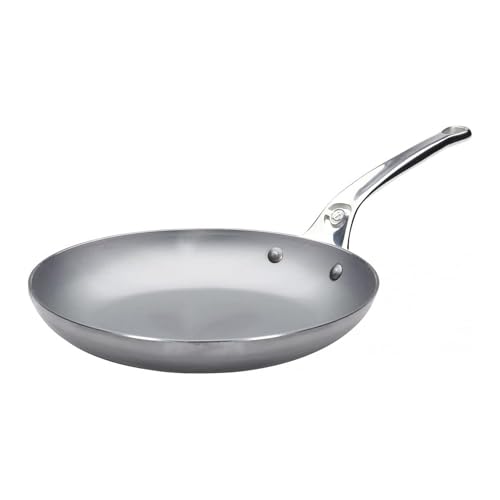
The Mineral B Pro version builds on the Mineral B concept with an oven-safe handle, expanding its versatility for finishing omelettes in the oven. Made from carbon steel, it mirrors the natural, lightweight feel of professional cookware and benefits from a quick heating response. The rounded edges still aid in rolling and plating, while the seasoning process remains straightforward: wash away beeswax, gradually heat, coat with oil, and reheat to reinforce the patina. No harsh chemicals are involved, keeping this pan in a purely food‑safe category when seasoned correctly.
Nordic Ware Italian Frittata and Omelette Pan
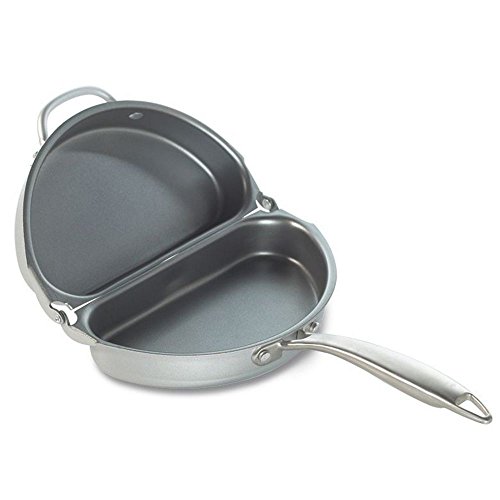
The Nordic Ware pan specializes in a convenient nonstick approach with a hinge design that reduces mess and makes turning and folding easier. The nonstick coating helps eggs slide away cleanly, supporting a smoother French omelette process. Flipping and rolling can be accomplished with minimal butter or oil, and cleanup is typically straightforward. While not a carbon steel workhorse, this pan offers a reliable alternative for cooks prioritizing ease of release and quick results, especially for beginners or busy kitchens seeking consistent outcomes.
SENSARTE Nonstick Ceramic Frying Pan, 8-Inch Omelet Pan

The SENSARTE 8-inch nonstick ceramic omelette pan emphasizes a health-conscious approach, using natural ceramic without PFAS, PTFE, PFOS, or heavy metals. The ceramic coating is designed to be free of toxins while offering a smooth, highly nonstick surface that makes eggs glide with minimal oil. Its induction-compatible base ensures broad stovetop compatibility, making it a convenient option for diverse kitchens. This pan is particularly suited to those who want a straightforward omelette experience and easy cleanup after cooking delicate eggs.
Buying Guide
When selecting the best pan for a French omelette, consider how you prefer to approach the classic fold and texture. Carbon steel pans, like the Mineral B lines, excel at responsive heating and develop a natural non-stick patina with seasoning. They require a maintenance routine but reward you with excellent control for a truly authentic omelette. Nonstick ceramic pans offer immediate release and simple cleanup, which can be valuable for beginners or cooks who want quick results without seasoning. Iron pans from brands like Iwachu provide a unique shape and heat retention, requiring regular seasoning but delivering steady heat once seasoned. There are a few practical considerations to balance:
- Material and non-stick approach
- Carbon steel: lightweight, heats quickly, becomes naturally non-stick with seasoning; best with medium-high heat and careful maintenance.
- Iron: excellent heat retention; requires seasoning; durable and versatile on various heat sources.
- Nonstick ceramic: easy release; minimal oil; easier for beginners; needs careful heat management to extend coating life.
- Size and shape
- 8″ vs 8.5″ vs 9.5″: larger pans give more room for gentle rolling, smaller pans offer tighter control but may crowd eggs.
- Rounded edges help with rolling and sliding the omelette onto the plate.
- Heat source and compatibility
- Induction compatibility matters for modern kitchens; carbon steel and cast iron typically work well, as do some nonstick bases.
- Oven-safe handles or finishes extend versatility for finishing in the oven.
- Maintenance and longevity
- Seasoned pans require regular maintenance to sustain non-stick performance, especially with eggs and dairy.
- Nonstick ceramics demand gentler care to preserve coating integrity and avoid overheating.
- Health and chemistry considerations
- PFAS, PFOA, PFOS-free surfaces reduce exposure risk; natural patina from seasoning offers a traditional alternative.
- Be mindful of beeswax or factory coatings on new carbon steel pans and follow recommended prep steps.
- Usage goals
- For purists, carbon steel or iron pans deliver a classic, responsive experience with a glossy finish after proper seasoning.
- For convenience and quick cleanup, nonstick ceramic pans provide reliable release and easier operation.
In practice, beginners may lean toward a nonstick ceramic option to learn the technique without fighting a sticky surface, while seasoned cooks often prefer carbon steel or cast iron for their control, durability, and the satisfying layer of seasoning that develops over time. Induction readiness, oven finishing capability, and handle design also influence daily use and long-term satisfaction. By aligning pan choice with your stove, cooking style, and maintenance preferences, you can consistently achieve the signature silky texture and precise folding that define a true French omelette.