Textured walls add depth and character to living spaces, but choosing the right paint and texture products can be challenging. This guide highlights five dependable options for DIYers looking to create or repair orange-peel, knockdown, or decorative textures on interior walls. Each product below is selected for ease of use, relatively low odor, cleanup convenience, and compatibility with standard primers and paints.
Read on for concise product notes, a quick comparison table, and a practical buying guide to help you pick the right texture solution for your project.
| Product | Brand | Texture Type | Best For |
|---|---|---|---|
| Homax Orange Peel Aerosol Texture | Homax | Water-based orange peel | Small patches and touch-ups |
| Homax Blue-On Texture Aerosol | Homax | Blue-to-White selectable orange peel | Matching existing textures |
| Homax Roll On Wall Texture | Homax | Roll-on smooth decorative texture | Large surfaces |
| LAVEVE Knockdown Texture Sponge | LAVEVE | Knockdown sponge texture | Small repairs and blending |
| Patelai Knockdown Texture Sponge | Patelai | Knockdown sponge texture | DIY drywall patches |
Homax Orange Peel Aerosol Texture

The Homax 4092 Aerosol Texture delivers a water-based orange-peel finish that can be tuned from fine to heavy textures depending on spray technique. Its low-odor formula and easy cleanup with soap and water make it suitable for interior applications such as living rooms, bedrooms, and hallways. Because the spray output adjusts from light to heavy bursts, you can match subtle repairs or create a bold wall statement. This is an efficient option for quick patches and small-to-moderate texture work on drywall and plaster surfaces.
For best results, apply in light coats and practice on a scrap board before tackling a wall. The water-based composition works well with standard primers and paints and tends to dry faster than oil-based textures. Always mask surrounding areas, ventilate the space, and test the texture on an inconspicuous spot to ensure the finish aligns with your desired look.
Homax Blue-On Texture Aerosol

Homax’s Blue-On Texture Aerosol provides a convenient blue spray that goes on blue and dries white, offering a visual cue to help you achieve an even texture. This aerosol supports typical orange-peel textures and can be layered in multiple passes to control the final look. The blue deposition aids in preventing over-application, making it a practical choice for beginners or those repairing patchy areas on interior walls and ceilings.
The product is water-based with low odor and straightforward cleanup, which helps maintain a comfortable work environment. To maximize consistency, spray in light, overlapping strokes and allow the texture to set between passes. Once dry, you can prime and paint over with your chosen color, ensuring the texture remains the focal point of the wall design.
Homax Roll On Wall Texture
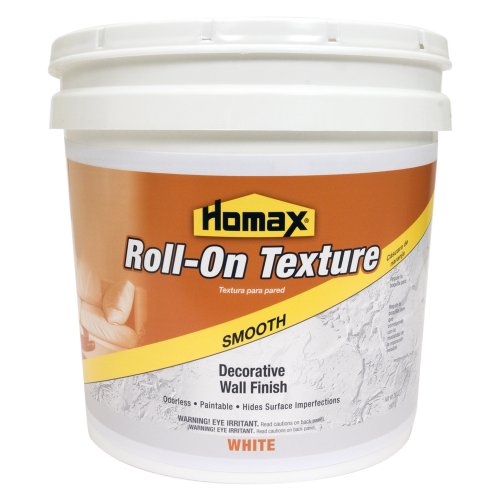
The Homax Roll On Wall Texture provides a ready-to-use, roll-on finish for large interior surfaces. Designed to produce a smooth decorative texture, it helps conceal minor wall imperfections and can be manipulated with different rollers to achieve a range of patterns—from subtle stipple to more pronounced textures. The 2-gallon option offers cost efficiency for bigger rooms or multiple walls, reducing the number of containers you need to purchase.
Application is straightforward: spread evenly with the chosen roller, ensuring overlaps to avoid visible seams. Because it’s water-based, cleanup is typically quick with soap and water. Pair this texture with a compatible primer and topcoat for a uniform, durable finish that hides wall flaws while delivering a refined look.
LAVEVE Knockdown Texture Sponge
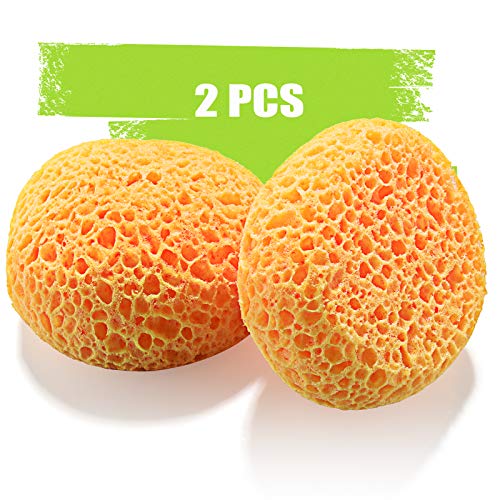
The LAVEVE Knockdown Texture Sponge is a practical tool for creating knockdown textures on walls and ceilings, especially useful for small repairs and blending new texture with existing patterns. This two-piece sponge set is designed to help you achieve a natural, mottled look by dabbing or dragging across a painted surface while the glaze or paint is still tacky. The design emphasizes a sturdy grip and user-friendly handling, enabling more precise control on larger patches or intricate repairs.
The sponge works well with most paints, glazes, and finishes, making it versatile for faux painting and decorative projects beyond standard patching. It is particularly helpful when you want to reproduce a knockdown effect that mirrors surrounding textures without resorting to bulky tools. Always test on a hidden area first and practice with light pressure to build consistency in texture depth.
Patelai Knockdown Texture Sponge

Patelai’s Knockdown Texture Sponge set is designed for drywall repair and texture matching on ceilings and walls. The set includes two patches sized to facilitate small repairs and patchwork that blends smoothly with surrounding textures. The included sponge texture helps you achieve a realistic knockdown effect by gently pressing or dragging glaze across the patch, creating a seamless transition between repaired and existing surfaces. These tools are especially useful for homeowners tackling minor wall repairs without extensive retexturing.
The included sizing (2 pieces, with dimensions around 13 x 15 x 6 cm) provides versatility for various patch sizes. Beginners can benefit from the quick-start guidance typically provided with these tools, helping to minimize mess and speed up results while maintaining a consistent finish across the project area.
Buying Guide
Choosing the right texture product depends on the effect you want and the scope of the project. Here are key considerations to help you compare options and decide which combination best fits your walls and timeline.
- Texture Type and Aesthetic: For sprayable textures, orange-peel finishes (aerosol or roll-on) deliver a classic, evenly diffused surface. Knockdown textures offer a more dynamic, irregular look after flattening with a trowel or sponge. If you need a smooth, decorative finish, a roll-on texture may be best. Align texture type with the room style and the surrounding surfaces for cohesion.
- Application Method: Aerosols are excellent for quick patches and small areas, but may require masking and multiple coats for larger walls. Roll-ons cover more area with consistent patterns, ideal for rooms with wide surfaces. Sponges and patches are best for blending repairs or creating controlled knockdown effects on targeted zones.
- Drying Time and Odor: Water-based products typically dry faster and have lower odor than oil-based alternatives. Faster drying accelerates project timelines but may limit working time on larger surfaces. Ensure adequate ventilation and use appropriate masks, especially in smaller spaces.
- Preparation and Priming: Proper wall prep is essential. Clean the surface, repair any holes, and sand glossy spots before texture application. Priming helps ensure even adhesion and uniform color after painting. Test texture on a hidden area to confirm the reaction with your primer and topcoat.
- Coverage and Scope: Aerosol cans are convenient for patching and small rooms but may require multiple units for larger areas. Roll-on textures typically cover more rapidly, reducing the number of containers needed. Sponges and patches are best for incremental repairs or blending textures with existing surfaces.
- Tools and Cleanup: Water-based textures simplify cleanup, usually with soap and water. Keep a dedicated roller cover or brush for texture work to avoid cross-contamination with regular wall paint. Store leftover material properly and label it for future touch-ups.
- Durability and Paint Compatibility: After texture dries, apply a matching primer and paint. Some textures may require a sealer or primer to control absorbency differences across patched areas. Verify compatibility with your paint type (latex, acrylic, or enamel) to ensure a consistent finish.
- Cost and Availability: Roll-on systems and aerosol cans vary in price and availability. For larger rooms, a two-gallon roll-on option may prove more economical than multiple aerosol cans. Consider your project timeline and storage space when selecting quantities.
In practice, many projects benefit from using a combination of products. For example, patch small areas with knockdown sponges to blend seamlessly with surrounding texture, then use a roll-on texture on nearby walls for consistency. Aerosol textures can handle quick touch-ups or feature patches that require precise control. By understanding the texture you want and the space you’re working in, you can mix and match tools to achieve a cohesive, professional-looking result without professional assistance.