Old wood siding faces sun, rain, and temperature swings that demand a sturdy, flexible finish. The right paint or stain protects the wood and boosts curb appeal without frequent upkeep. This guide highlights five top products well-suited for exterior wood siding, spanning recycled-content latex to solid-color stains and combo paints. Each option balances weather resistance, coverage, and ease of application across common American climates. The table below provides a quick overview, followed by detailed sections for each product.
| Product | Brand | Primary Benefit |
|---|---|---|
| RECOLOR Exterior Latex Paint For Siding | RECOLOR | Eco-friendly exterior latex with eggshell finish |
| DEFY Solid Color Wood Stain For Siding | DEFY | Opaque solid color with UV resistance |
| SaverSystems Deck Stain And Sealer For Siding | SaverSystems | Semi-transparent, stain-and-sealer in one |
| THE ONE Paint For Siding | THE ONE | Paint-and-primer-in-one with multi-surface use |
| PRESTIGE Exterior Paint And Primer In One | PRESTIGE | 1-gallon exterior paint with primer in one |
RECOLOR Exterior Latex Paint For Siding

RECOLOR offers an exterior premium latex with recycled content, designed for walls, siding, and trim. The finish is described as a medium sheen that resists washing and staining while remaining easy to clean. Coverage is highlighted as cost-effective, with one gallon capable of coating a substantial area, which helps reduce the amount of material needed over time. The product is suitable for wood, concrete, vinyl, and aluminum siding when properly primed. This option emphasizes eco-friendly, recycled content alongside dependable exterior performance, making it a solid choice for those prioritizing sustainability without sacrificing durability.
For old wood siding, starting with a clean, dry surface is essential. While RECOLOR can be used on wood and other surfaces, ensure any existing coating is sound and properly primed if switching substrates. Drying times and recoat windows follow typical water-based exterior paints, with a work-friendly pace that allows for multi-board coverage in a single session. Batch mixing is advised due to batch-to-batch color variation. Overall, this product provides a practical balance of environmental responsibility, solid coverage, and a modern finish suitable for updating aged wood siding.
DEFY Solid Color Wood Stain For Siding
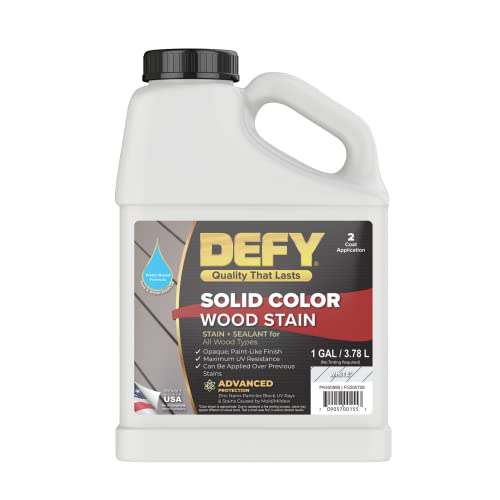
DEFY Solid Color Wood Stain provides an opaque color designed to hide surface imperfections on wood surfaces such as siding, decks, and fences. The formulation emphasizes UV resistance, with zinc nano-particles aiding color retention against sun exposure. It is marketed as long-lasting color and durable protection, resisting peeling and cracking across harsh weather. The product’s color choice is white, offering a clean, modern look while maintaining the natural texture of wood beneath a uniform finish. It is best applied to properly prepared, clean, dry wood to ensure maximum adhesion and longevity.
With solid-color stain, prep remains important: remove peeling coatings, clean thoroughly, and allow surfaces to dry completely before application. Recoats depend on weather and wear, but DEFY’s durable protection supports extended intervals between maintenance. This option appeals to homeowners who want a low-maintenance, true color on wood siding without the need to completely hide grain, while still delivering a refreshed, uniform appearance across large exterior areas.
SaverSystems Deck Stain And Sealer For Siding
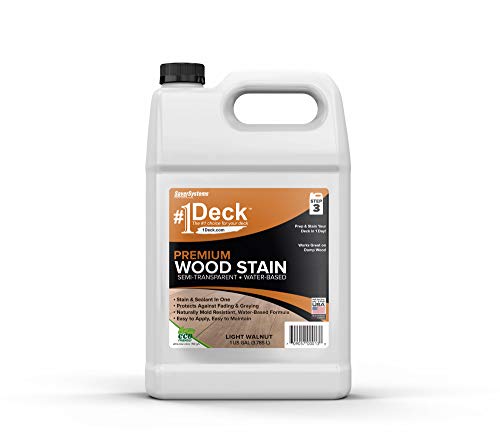
SaverSystems combines stain and sealer in one, delivering a semi-transparent exterior wood coating that preserves natural grain while adding color. The product emphasizes UV protection and environmental considerations, highlighting its water-based formula with less than 50 g/L VOC content. It is designed to penetrate wood pores deeply, which improves longevity on decks, fences, and siding. The semi-transparent finish is ideal for homeowners who want to maintain the wood’s texture and character while providing a protective layer against moisture and sun exposure.
For older siding, surface prep remains key. Begin with cleaning and removing loose material, then allow the wood to dry completely. Apply with brushes or rollers suited to exterior wood, taking care to maintain even penetration across pores. Reapplication intervals will depend on exposure and wear; advantages include easier touch-ups and the ability to refresh color without completely covering the grain. This option suits climate zones with strong sun or moisture exposure where grain visibility is a priority.
PRESTIGE Exterior Paint And Primer In One
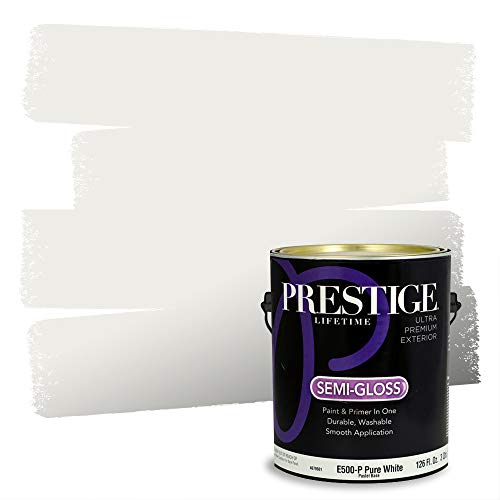
PRESTIGE Exterior Paint And Primer In One provides a one-coat approach to exterior siding projects. Marketed as a comparable match to a well-known brand, it emphasizes high hiding capability and smooth application thanks to its modern formulation. The product is available in a 1-gallon size with a semi-gloss finish, making it a versatile option for homeowners seeking a clean, bright look on wood siding. Because it combines paint and primer, this option can simplify the process for projects involving older or uneven surfaces, reducing prep time and helping achieve consistent coverage across larger areas.
When using a paint-and-primer-in-one product on older siding, assess the substrate for any moisture damage or soft wood. If necessary, address repairs and replace damaged boards before painting. A proper two-step approach—cleaning and priming where needed—can help ensure better adhesion and fewer peeling issues, especially on rough or aged wood. PRESTIGE offers solid coverage and a user-friendly finish for those aiming for a uniform, durable exterior look without multiple products.
Buying Guide
Choosing the right finish for old wood siding requires balancing aesthetics, protection, and maintenance. First assess the wood’s condition: repair or replace damaged boards, remove loose coatings, and thoroughly clean the surface. Surface prep influences durability more than the coating choice itself.
- Paint versus stain: Paint provides full color and hides imperfections but may require more prep over time. Stains, including semi-transparent options, preserve grain and often demand more frequent maintenance but deliver a natural look for longer aging boards.
- Solid color versus semi-transparent: Solid colors hide flaws and create a uniform appearance. Semi-transparent stains show grain and can better disguise sun-related fading with periodic re-coating.
- Finish and sheen: Eggshell and satin finishes balance washability with a softer look; semigloss offers easier cleaning but shows more surface irregularities. Choose based on climate and maintenance tolerance.
- Primer-in-one versus separate primer: Primer-in-one can save time on new or well-prepped surfaces, but heavily weathered wood may still benefit from a dedicated primer for better adhesion and durability.
- Durability and UV resistance: Consider products with UV protection and water resistance suited to your climate. In sunny regions, UV-stable formulas reduce color fade; in humid areas, moisture resistance helps prevent peeling.
- VOC content and eco-friendliness: Low-VOC options reduce odors and environmental impact. Recycled-content formulas or locally produced paints may align with sustainability goals.
- Application and maintenance: Water-based products are easier to clean and generally safer for DIY projects. Drying time and recoat windows vary by product; plan a weather-friendly window for application.
- Color selection and batch consistency: For color matching or multiple cans, mix batches thoroughly to minimize color variation. Store leftovers properly to maintain consistency across touch-ups.
- Budget versus longevity: Short-term savings with a cheaper paint may lead to more frequent maintenance. Compare initial cost against expected recoat intervals and coverage per gallon.
Consider climate factors such as intense sun, heavy rainfall, or freeze-thaw cycles when selecting a product. For white or light colors, UV-resistant pigments help maintain brightness longer. In coastal areas, choose formulas with corrosion resistance and moisture tolerance. DIY projects benefit from products with simple prep and straightforward maintenance, while professional-grade options may offer longer intervals between coats. By weighing these factors, homeowners can choose a finish that aligns with climate, budget, and the desired curb appeal for aging wood siding.