Interior cinder block walls can be porous, absorbent, and prone to moisture. The right paint not only adds color but also protects against water ingress, alkali exposure, and mildew growth. This guide assembles five top-rated options from Amazon that balance adhesion, durability, and easy application for basements, laundry rooms, and other interior spaces with masonry. Each selection highlights moisture resistance, alkali tolerance, and suitability for vertical masonry walls. Readers will find prep tips, finish choices, and practical comparisons to help pick the best paint for their concrete-block projects.
| Product | Brand | Type | Key Benefit |
|---|---|---|---|
| KILZ Basement And Masonry Waterproofing Paint | KILZ | Interior/Exterior | Waterproofs and seals porous masonry surfaces both inside and outside |
| INSL-X WaterBlock Masonry Waterproofing Paint | INSL-X | Water-Based | Fast-drying, high alkali resistance up to pH-13 |
| KILZ Self-Priming Masonry, Stucco And Brick Paint | KILZ | Acrylic Latex | Self-priming with strong adhesion on masonry surfaces |
| Zinsser PERMA-WHITE Mold & Mildew Proof Interior Paint | Zinsser | Interior | Mold & Mildew-Proof film with 5-year guarantee |
| Rust-Oleum Concrete Interior Wall Paint | Rust-Oleum | Interior | Creates a concrete texture look with a durable, water-based finish |
KILZ Basement And Masonry Waterproofing Paint
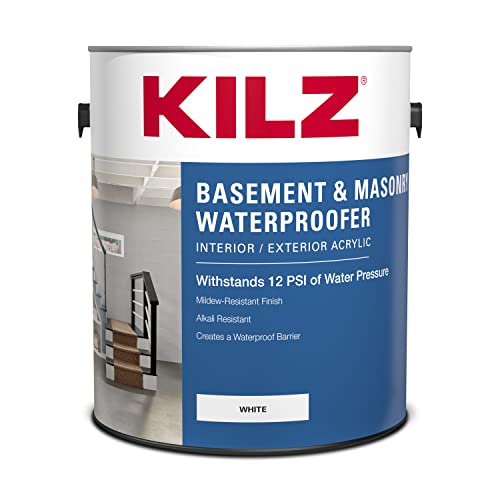
This premium paint is designed for both indoor and outdoor use, forming a protective barrier on porous concrete and masonry surfaces. By leveraging nanotechnology, it helps reduce water infiltration while delivering an alkali-resistant coating that remains durable and decorative over time. It is suitable for properly prepped and cured above- and below-grade basement walls, masonry walls, retaining walls, cinder and concrete blocks, stucco, and brick surfaces. It should not be used on floors or on walls with active water leaks. For best results, apply with a high-quality roller, brush, or airless sprayer.
The product’s versatility makes it a strong candidate for basements and utility rooms, where moisture and alkalinity can challenge paint performance. Surface prep is critical: ensure the wall is clean, dry, and free of efflorescence before applying. Two coats are typically recommended for maximum water resistance, and once cured, the finish remains durable through temperature swings common in interior spaces. While the label advises against concrete floors, a properly prepped masonry wall can achieve a clean, long-lasting result with good coverage and minimal maintenance.
INSL-X WaterBlock Masonry Waterproofing Paint
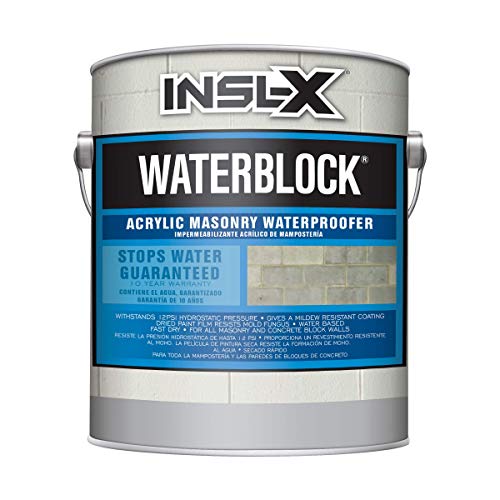
WaterBlock is a water-based coating crafted to seal vertical interior and exterior concrete walls. It excels for basement walls, foundations, and retaining walls, including cinder blocks and masonry surfaces. The coating dries quickly, providing waterproof protection for both interior and exterior applications. Its high alkali resistance—up to pH-13—helps withstand the alkaline environment often present in masonry walls, reducing the risk of chemical degradation over time. The formula is suitable for rapid projects where downtime is a factor, enabling faster completion without sacrificing performance.
Application considerations include ensuring proper surface preparation: remove flaking paint, clean masonry, and repair cracks before coating. Because WaterBlock is fast-drying, apply thin, even coats and avoid heavy saturation that could lead to uneven finish. When choosing a color, note that it offers a white finish suitable for interior aesthetics, while still providing robust moisture protection. For basements with higher humidity, WaterBlock pairs well with dehumidification strategies to maintain long-term performance.
KILZ Self-Priming Masonry, Stucco And Brick Paint

This acrylic latex, water-base interior/exterior paint provides excellent hiding power and adhesion on textured masonry, drywall, stucco, and brick surfaces. It is designed to offer strong water repellency and good coverage, with alkali resistance up to pH 12. The self-priming feature simplifies application on properly prepared surfaces, removing the need for a separate primer in many cases. It can be rolled, brushed, or sprayed, giving flexibility for large basement walls or smaller project areas. Cleaning up is straightforward with soap and water, making it a practical choice for frequent touchups in high-use spaces.
For cinder block walls in living or utility spaces, this paint delivers a balanced combination of hide and durability. Prepping the surface remains essential: remove efflorescence, rinse away dust, and repair cracks prior to painting. The finish is typically flat, which can help hide minor imperfections but can show dirt more readily than eggshell or satin finishes. Consider pairing with a topcoat or protective sealant if the area experiences higher moisture or abrasion from furniture and foot traffic.
Zinsser PERMA-WHITE Mold & Mildew Proof Interior Paint

PERMA-WHITE is a self-priming interior paint designed to guard against mold and mildew on interior walls. The paint film is guaranteed for five years, offering durable protection in moisture-prone environments such as basements and other masonry-adjacent spaces. It resists dirt and moisture on the film, helping surfaces stay cleaner longer. The product is available in an eggshell finish, which provides a subtle sheen while masking minor wall imperfections. Because it is designed for interior use, it’s a solid choice when the goal is a low-odor, easy-to-clean finish without heavy surface prep.
As with any mold-resistant paint, preparation remains important: fix leaks, improve airflow, and ensure walls are dry before application. PERMA-WHITE’s self-priming nature reduces steps for many projects, but severely damp walls may require moisture mitigation first. This product is particularly suitable for remodeling basements or laundry rooms where mold growth risk is higher. For those seeking a maintenance-friendly solution, PERMA-WHITE offers long-term protection with a straightforward cleaning routine.
Rust-Oleum Concrete Interior Wall Paint

Rust-Oleum’s Concrete Interior Wall Paint aims to reproduce a concrete texture and appearance on standard interior walls. The water-based formula is designed to enhance the look of drywall, wood, and hardboard with a sleek faux finish. It dries to the touch in about 30 minutes, enabling quick project completion, and covers approximately 30 square feet per quart. While this product emphasizes aesthetics, it remains suitable for interior spaces where a concrete-block aesthetic is desired. It’s not a heavy-duty moisture barrier, so pairing with proper humidity control is advisable for basements or damp rooms.
Application considerations include surface preparation and multiple light coats to achieve the desired texture and depth. The finish can be a practical choice for living areas that want a modern, industrial vibe, or utility spaces where moisture control needs are balanced with visual appeal. For best results on cinder block walls, ensure the blocks are clean, sealed, and free from efflorescence before applying. This product works well as a design option while other moisture-control strategies are in place.
Buying Guide
Key Purchase Considerations
- Moisture management: For interior masonry, choose paints with moisture resistance, mold/mildew protection, and durable film strength.
- Abrasion and cleaning needs: High-traffic rooms may benefit from finishes that resist scuffs and can be cleaned easily.
- Priming and adhesion: Some products are self-priming, others require a primer on porous surfaces. Assess surface conditions first.
- Finish preferences: Matte vs eggshell vs satin affects appearance and dirt visibility. Choose based on room function and cleaning needs.
- Drying time and cure: Faster dry times reduce downtime, but consider recoat windows and odor release for occupied spaces.
- Alkali resistance: Masonry walls are alkaline; select paints rated for high pH to prevent coating failure.
- VOC and odor: Low-VOC options improve indoor air quality, especially in living areas or bedrooms.
- Application method: Rollers, brushes, and sprayers each have pros. Consider walls’ texture and block porosity when choosing.
Surface Preparation Basics
Prepare masonry walls by removing loose paint, efflorescence, and dust. Repair cracks and ensure the surface is dry. In damp basements, address moisture sources first (dehumidification, sealing leaks) to maximize paint performance and longevity.
Finish And Color Considerations
Flat finishes hide minor irregularities, while eggshell or satin finishes are easier to clean in areas prone to splashes or humidity. Light colors can brighten basements and help reduce perceived dampness, while darker tones may emphasize wall texture. Always test color samples on masonry to evaluate how the finish interacts with the wall’s porosity.
Product Pairings And Scenarios
- For best moisture control in basements: combine a waterproofing masonry paint (like KILZ Basement And Masonry) with a mold-resistant interior finish (such as PERMA-WHITE) for an extra layer of protection.
- If you want a concrete look: Rust-Oleum’s concrete interior finish provides texture and appearance, but consider additional sealers for long-term moisture defense.
- In areas with high alkalinity exposure, prioritize high-alkali resistance and proper surface prep to ensure lasting adhesion.
These five products cover a spectrum from protective masonry coatings to decorative finishes. By matching your basement’s moisture levels, wall texture, and maintenance preferences, you can select a paint that not only looks good but also stands up to the challenges of interior cinder block walls. For best results, follow manufacturer guidelines for surface prep, coating application, and recoat intervals, and consider consulting a painting professional for large or high-humidity spaces.