People with latex allergies must be careful when selecting a mattress. Natural latex components can trigger reactions in sensitive sleepers, so it’s essential to evaluate materials, finishes, and protective layers. This guide reviews five mattresses and toppers from trusted brands that address latex concerns through hypoallergenic designs, toxin-free production, or careful material choices. The selections include latex-containing options and latex-free alternatives, emphasizing breathability, pressure relief, and ergonomic support. Always confirm your sensitivities with a clinician before purchasing, and consider barrier covers to minimize direct contact with latex where needed.
| Product | Brand | Type | Key Materials | Notes |
|---|---|---|---|---|
| Pure Green Organic Latex Mattress — Medium Firmness — Full | Sleep On Latex | Mattress | 8” Organic Latex Foam; Organic Cotton & Wool cover | Latex-based; certified organic materials |
| Pure Green Natural Latex Mattress Topper — Soft — 3 Inch — Twin | Sleep On Latex | Mattress Topper | Natural Latex Foam; GOLS Certified | Adds softness; latex exposure possible |
| 7 Zone Green Natural Organic Latex Mattress Topper — 3″ — Queen | Turmerry | Mattress Topper | Latex Foam (Dunlop); 7-zone design | Customized support; latex exposure possible |
| Ethical Mattress Co 10″ Toxin-Free Hybrid Mattress — Queen | The Ethical Mattress Co | Hybrid Mattress | Organic cotton, wool, latex; pocketed coils | No fiberglass or polyfoams; latex top layer |
| Organic Latex Mattress — Queen | Latex Mattress Factory | Mattress | Organic latex core; simple construction | Fully assembled on arrival; latex-based |
Pure Green Organic Latex Mattress — Medium Firmness
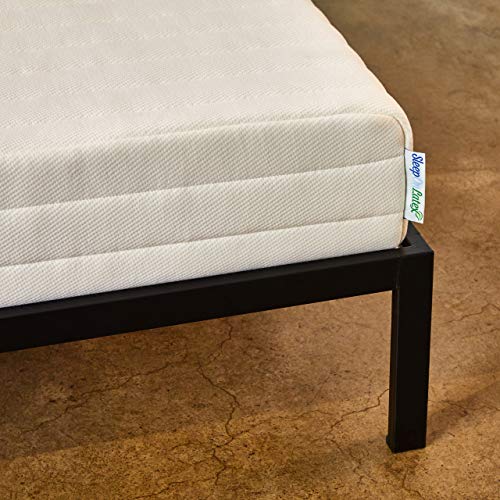
Pure Green Organic Latex Mattress provides a balanced feel with medium firmness and eight inches of organic latex foam. The cover uses organic cotton and organic wool, supporting airflow and comfort across side, back, and combination sleepers. The latex is GOLS certified, reflecting careful sourcing and production. For latex-allergic sleepers, attention to exposure is essential; consider layering with a hypoallergenic protector and a barrier cover to reduce contact with the latex surface while maintaining stable support and durability. The mattress emphasizes durability and natural materials in a Chicago-area manufacturing process.
Pure Green Natural Latex Mattress Topper — Soft
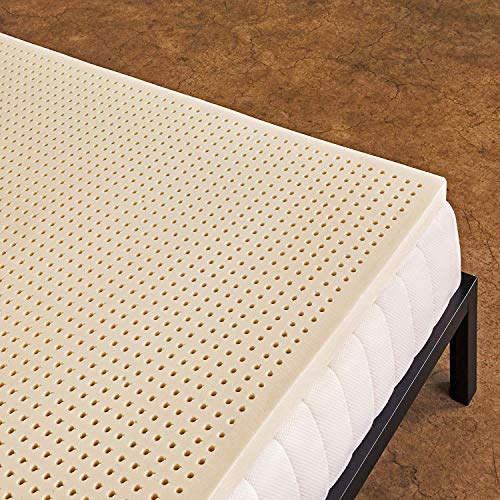
The Soft 3-inch topper adds a plush layer to an existing mattress. It uses natural latex foam designed to contour with your body while maintaining a cooler surface. The topper is GOLS certified organic latex harvested from rubber trees, aligning with eco-conscious materials. For latex-sensitive sleepers, this product introduces additional latex exposure at the sleep surface; pairing with a high-quality allergen barrier cover can help reduce direct contact. The topper supports varying sleep positions and helps extend mattress life by distributing pressure across the surface area.
7 Zone Green Natural Organic Latex Mattress Topper — Queen

The seven-zone design aims to tailor comfort across different body areas with a three-inch soft latex topper. The Dunlop process yields a breathable, durable latex foam that enhances pressure relief while preserving airflow. While the design supports side sleepers and mixed sleepers, latex exposure is present. Sleepers with latex sensitivity should consider using a hypoallergenic cover and a non-latex mattress pad beneath the topper to reduce skin contact while preserving the topper’s responsive feel and zoned support for hips, shoulders, and legs.
Ethical Mattress Co 10″ Toxin-Free Hybrid Mattress

This toxin-free hybrid uses a top layer of organic latex with pocketed coils, plus organic cotton and wool. It emphasizes airflow, heat management, and toxin-free construction by avoiding fiberglass, petrochemical polyfoams, and toxic flame retardants. The top layer includes latex, which means direct contact with latex is present and could be a consideration for sensitive sleepers. For latex-allergic individuals, it’s important to assess exposure risk, consider a breathable mattress protector, and ensure a proper sleep environment with minimal direct latex contact while still enjoying adaptive support and reduced motion transfer.
Organic Latex Mattress — Queen

Latex Mattress Factory’s Organic Latex Mattress arrives fully assembled, offering a straightforward setup without required assembly. The core is built from organic latex, presenting a simple, durable sleep surface. For latex-allergic sleepers, direct exposure to latex is a key consideration. If choosing this option, pair with a high-quality, hypoallergenic cover and ensure nightly care that minimizes skin contact, such as changing covers regularly and using a barrier sheet to minimize direct exposure while preserving the mattress’s support and longevity.
Buying Guide
Choosing a mattress when you have a latex allergy involves balancing safety, comfort, and durability. The following considerations help compare latex-containing products with latex-free alternatives and guide safe purchase decisions.
Material safety and certifications
- Look for certifications like GOLS (Global Organic Latex Standard) for latex and natural materials to verify organic sourcing and minimal chemical processing.
- Check for fiberglass-free and low-emission designs, especially in hybrid models with springs or foam layers.
- Assess the presence of synthetic polyfoams or petrochemicals, which may be less desirable for allergen-conscious shoppers.
Latex exposure versus latex-free options
- Latex-based mattresses can offer durability and buoyant support, but direct contact may trigger reactions in sensitive individuals.
- Consider latex toppers or layers only if you have confirmed tolerance, and pair with barrier covers or slip-on protectors to limit skin exposure.
- For latex-free alternatives, explore memory foam, polyfoam, or hybrid designs that use non-latex comfort layers and coil systems for support.
Allergen management and protective accessories
- Choose washable, hypoallergenic mattress protectors and fitted covers to reduce direct exposure to latex while sleeping.
- Air quality and ventilation matter; ensure proper room temperature and moisture control to avoid mold or mildew that could worsen sensitivities.
- Regular cleaning and frequent replacement of covers can help maintain a safer sleep surface over time.
Support, comfort, and sleeping position
- Medium-firm to firm profiles typically suit back sleepers and combination sleepers; softer toppers can improve pressure relief for side sleepers but may increase surface contact in latex surfaces.
- Zone-design toppers aim to balance pressure points with targeted support, but consider whether latex exposure is acceptable for you.
- Hybrid models with coils often provide robust edge support and cooler sleep, though latex contact remains a consideration.
Care, longevity, and returns
- Check return policies and trial periods for latex-containing products, since comfort and exposure tolerances vary by individual.
- Follow care guidelines for covers and toppers to extend life and maintain hygiene.
- Understand warranty terms for natural materials, as some latex products have different guarantees than synthetic foams.
What to ask before buying
- Is there any latex exposure at the surface, and is it essential to your sleep comfort?
- What barrier options are recommended by the brand for latex-sensitive users?
- Are there latex-free alternatives that provide comparable support and comfort?
In summary, the best mattress choice for latex allergy depends on your tolerance level and preferred sleep feel. If you must avoid latex entirely, prioritize latex-free hybrids or foam mattresses, use protective covers, and verify all components with the seller. For those who can tolerate latex, look for carefully sourced latex products with certifications and combine them with protective accessories to minimize exposure. Always consult healthcare guidance when in doubt, and consider a trial period to ensure a safe, comfortable sleeping environment.