Choosing the right cushion material can dramatically affect comfort, durability, and the lifespan of a sofa. This guide reviews five top materials that American homeowners frequently choose for upgrading cushions or rebuilding seating. From high-density foam to durable batting and stretchable covers, the selections cover core needs—support, shape, and ease of maintenance. Each product below is linked to Amazon for quick reference, and the accompanying buying guide highlights what to consider when selecting cushion materials for different living spaces and usage levels.
| Product | Brand | Material Type | Typical Use |
|---|---|---|---|
| FoamTouch High Density Upholstery Foam | FoamTouch | High-density foam (1.79 lb density, ~45 ILD) | Couch, chair, bench cushions; upholstery projects |
| PAROLL 1 Inch Thick Upholstery Batting | PAROLL | Polyester batting (260 gsm) | Cushion wrapping, padding for cushions |
| YLM1991 Upholstery Webbing | YLM1991 | Rubber latex webbing (about 1.8 inches wide) | Support for sagging cushions and seat repairs |
| Hokway Stretch Cushion Covers | Hokway | Polyester-spandex blend (95% polyester, 5% spandex) | Cushion protection and aesthetic upgrade |
| BBGDIPG Shredded Memory Foam Filling | BBGDIPG | Shredded memory foam | Cushion filling for improved contouring |
FoamTouch High Density Upholstery Foam

FoamTouch offers a premium high-density foam designed specifically for furniture cushions. With a density around 1.79 pounds per cubic foot and an indentation load deflection (ILD) of about 45 pounds, this foam provides robust support while remaining responsive to movements. It is domestically manufactured to ensure consistent quality, and when properly covered, is expected to last roughly five to seven years under normal use. This material is suitable for a range of upholstery applications, including sofa cushions, chair cushions, and bench cushions, making it a versatile core option for achieving durable, comfortable seating.
Key characteristics include strong recovery after compression, excellent support for long sits, and compatibility with standard cushion covers. When replacing cushion cores, it is common to pair this foam with a supportive batting or a memory-foam layer beneath a quality fabric to optimize both comfort and durability. For best results, select an appropriate thickness to match your sofa seat depth and back support without creating overly firm or overly soft spots.
PAROLL Upholstery Batting For Cushions
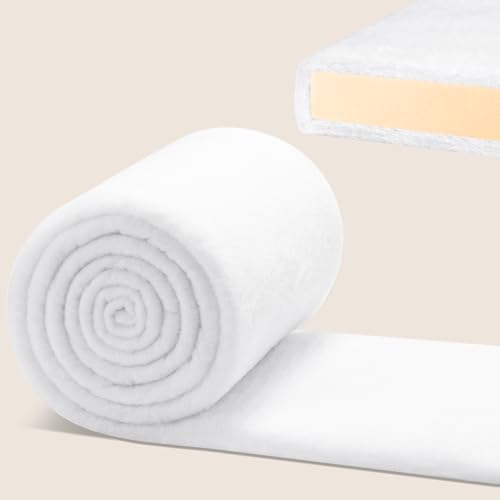
PAROLL batting is a durable polyester padding designed to surround or wrap foam cushions for a smoother, longer-lasting surface. Made from 100% high-density polyester (260 gsm), the batting ships compressed and typically expands to about one inch thick after resting for roughly 48 hours. It’s easy to cut with regular scissors, enabling quick DIY repairs or cushion upgrades. This material is ideal for adding a gentle layering between foam and fabric, helping to reduce visible seams and improve overall cushion feel. It works well as a padding layer for sofa cushions, seat cushions, and other upholstery projects where a soft, resilient finish is desired.
Use PAROLL batting to restore cushion plumpness without altering the cushion’s core support. It provides a versatile option for padding replacements when recovering cushions, reupholstering sofas, or creating new cushions from scratch. When choosing thickness, consider the overall cushion depth and fabric tightness, as too thick a layer can alter seat height and overall comfort balance.
YLM1991 Upholstery Webbing For Cushions

The YLM1991 upholstery webbing is a high-grade rubber latex product designed as a springless alternative to traditional coil springs. The webbing is about 1.8 inches wide, providing an even surface for seating and a stable base for cushions. This material is commonly used to reinforce sagging cushions and restore even support across the seating area. It’s described as durable and stretchable, helping to distribute weight more evenly and reduce localized sinking. For installations, it’s suited for sofa frames and seat bases that require a flexible yet supportive underlayment. The webbing’s width helps cover a larger seat area, improving comfort for longer sessions of sitting.
When applying webbing, consider the sofa frame integrity and the desired level of firmness. Webbing can be paired with foam cores or memory foam inserts to balance contouring with support. Since it’s a structural material, ensure proper installation to prevent creasing or uneven tension. This option suits DIY refurbishments seeking a more economical yet reliable method to refresh seating without replacing the entire cushion system.
Hokway Stretch Cushion Covers

Hokway cushion covers are design-forward, stretchable slipcovers crafted from a blend of 95% polyester and 5% spandex. The fabric offers excellent elasticity, enabling it to fit a wide range of cushion sizes and shapes—estimated to cover cushions from about 59 to 75 inches in length and 20 to 27.5 inches in width, with a height range of 2 to 7 inches. The stretch fabric aids in maintaining a snug, wrinkle-free appearance even with regular use. A notable feature is quick wipe-down performance, as the fabric resists water absorption for a brief moment, enabling fast cleanups between uses. The jacquard weave helps the cover hold its shape and resist creasing through daily wear.
These stretch covers are ideal for protecting cushions, changing the look of a sofa without new foam or fabric, and accommodating different cushion dimensions using a single product. When selecting a cover, verify the exact cushion dimensions and depth, as improper fit can lead to bunching or misalignment. Also consider the care requirements and frequency of washing, since spandex blends can retain subsequent stains if not promptly addressed.
BBGDIPG Shredded Memory Foam Filling

BBGDIPG shredded memory foam filling provides a flexible, body-conforming option for cushion upgrades. The filling consists of real memory foam pieces designed to distribute weight evenly, adapting to curves and reducing pressure points. This approach helps prevent sinking and maintains cushioning over time. The product emphasizes safe materials and a static-free composition, which simplifies handling during installation. It is offered in a 10-pound quantity, making it suitable for rebuilding multiple cushions or larger seating projects such as bean bag chairs or cushion inserts. The memory foam pieces accommodate a variety of cushion shapes while delivering lasting support and comfort.
Buying Guide
Material Type And Comfort Goals
Choose core foam for structural support, batting for padding and seam smoothing, webbing for frame support, and memory foam fillings for contouring. The combination you select should align with comfort preferences, cushion depth, and daily usage. High-density foam provides durable support, while memory foam emphasizes conforming comfort. Batting offers a soft intermediary layer, and stretch covers enhance ease of care and appearance.
Density, ILD, And Durability
For sofa cushions, density and ILD are key indicators of support and feel. A higher density foam (like around 1.7–2.0 lb/ft3) with a moderate ILD (roughly mid-40s) tends to balance firmness and comfort for everyday seating. If the sofa endures heavy use or frequent seating, opt for denser cores and consider adding memory foam layers for pressure relief. When durability is a priority, ensure materials are manufactured domestically or sourced from reputable suppliers and that covers are robust enough to protect the internal core.
Fit And Installation Considerations
Measure cushion dimensions accurately: length, width, height, and the cushion cover’s depth. Some materials, like batting and memory foam, are easy to cut to size, while stock covers vary in stretch and fit. If refitting an existing sofa, ensure that the replacement core aligns with the frame’s supports and that padding doesn’t create uneven surfaces. For sagging frames, link cushions with supportive webbing or reinforce with a sturdier underlayment to reduce further sagging.
Care And Maintenance
Plain foam cores require standard cushion covers for protection, while fabric types like polyester-spandex blends resist wear and simplify cleaning. Memory foam fillings may require occasional refreshing to maintain shape, and batting can settle over time and benefit from occasional replacement. Covers that are machine-washable or easy to spot-clean extend the life of the cushions by reducing fabric wear. Consider how you clean and replace components to minimize maintenance costs over the sofa’s life.
Cost, Availability, And DIY Ease
Value varies by material. Foam cores typically offer long-term durability and comfort, but higher-density foams can be pricier. Batting and covers present budget-friendly upgrades that still improve aesthetics and feel. Webbing is a practical solution for structural improvements on frames with sagging seats. Memory foam fillings can be an affordable way to rejuvenate cushions when you want a refreshed contour without a full rebuild.
Perspective And Use Case
Apartment living, family rooms, and frequently used living spaces benefit from a combination approach: a high-density foam core for support, a memory foam layer for contouring, batting for added softness, and a stretch cover for easy maintenance and fit. For pets and children, durable materials and easily washable covers improve longevity. When choosing materials, tailor your selection to the sofa’s size, family activity level, and cleaning routines to balance comfort, durability, and cost over time.