Choosing the right baseboard material involves balancing moisture resistance, durability, ease of installation, and finish quality. For American homes, vinyl, polystyrene, rubber, and PVC baseboards are popular because they handle humidity, knocks, and wear while staying affordable. The selections below highlight five representative products that illustrate the strengths of each material type. Each option offers different installation methods, from glue and nails to self-adhesive systems, making it easier to find a solution for various rooms and budgets.
| Product | Brand | Material | Size | Coverage |
|---|---|---|---|---|
| Sunnyglade 10-Pack Wall Baseboard Molding Trim | Sunnyglade | Polystyrene | 44.5 in x 3.2 in | 37 ft |
| FONUNO Vinyl Wall Base Baseboard Molding Trim | FONUNO | Vinyl | 4 in x 20 ft | 20 ft |
| M-D Building Products Dry Back Vinyl Base | M-D Building Products | Vinyl | 4 in x 120 ft | 120 ft |
| Jecarden Flexible Baseboard Molding Trim | Jecarden | Rubber | 4 in x 24 ft | 24 ft |
| PATTENGO Flexible Baseboard Molding Trim | PATTENGO | Vinyl | 4 in x 40 ft | 40 ft |
Sunnyglade Polystyrene Baseboard Molding

The Sunnyglade option uses premium polystyrene, delivering a rigid, straight alignment that resists warping more effectively than flexible PVC alternatives. The material accepts paint well, enabling a seamless match to existing trim or wall color. Its moisture resistance helps prevent swelling and cracking in humid spaces, making it suitable for kitchens, bathrooms, and laundry rooms as well as living areas. The packaging includes 10 pieces, each 44.5 inches long and 3.2 inches wide, totaling about 37 feet of coverage—ideal for DIY installations or quick renovations.
Beyond protection and aesthetics, this baseboard trim acts as a wall and floor shield, guarding against scuffs and dirt that accumulate with daily use. The combination of strength and easy paintability makes it a versatile choice for projects ranging from fresh remodels to accent walls. For installation, glue-based methods are commonly used, and the material’s rigidity helps maintain a crisp, professional edge along corners and doorways.
FONUNO 4-Inch Vinyl Baseboard Molding

This FONUNO option uses high-quality vinyl, delivering flexible, durable performance with a self-adhesive backing for straightforward installation. The 4-inch width and 20-foot length provide a versatile fit for most rooms, offering a clean, low-profile finish that resists cracking and warping. The self-adhesive design keeps the process quick and screw-free, which is ideal for renters or DIYers seeking a fast upgrade. If the temperature is below 68°F, heating the adhesive with a hair dryer improves stickiness and adherence to the wall.
The quick-install approach reduces the need for tools or nails, while the vinyl surface cleans with a damp cloth, maintaining a fresh appearance over time. This product is particularly well-suited to areas subject to moisture, such as kitchens and bathrooms, thanks to vinyl’s water resistance. Its flexible nature helps it accommodate minor wall irregularities, resulting in a smoother overall line along baseboard edges.
M-D Vinyl Wall Base, 4 Inch

The M-D Building Products option features dry back vinyl, a waterproof trim designed to conceal gaps between walls and floors with a polished finish. Made from flexible vinyl, it resists cracking and maintains shape under typical interior conditions. The product is intended for multi-purpose use in homes and offices, delivering a professional look that survives everyday wear. It’s easy to install with a simple, adhesive-backed design, and the bulk 120-foot roll size makes it a cost-effective choice for larger projects or multiple rooms.
In practice, this moldings’ durability and ease of maintenance shine in high-traffic areas. It’s capable of being trimmed to length for precise fitment around doorways, windows, and corners. The vinyl’s water resistance helps in moisture-prone zones, and its flexible nature can help accommodate minor wall irregularities, producing a seamless transition from wall to floor with minimal effort.
Jecarden Rubber Baseboard Molding
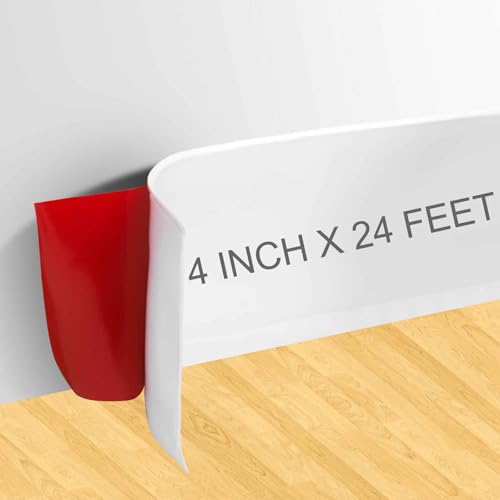
Jecarden offers a 4-inch by 24-foot baseboard molding in a rubber formulation that remains flexible and resistant to deformation over time. The rubber material provides strong resistance to dents and scratches, making it well suited for areas with foot traffic or where walls may flex slightly. Its flexible surface helps it adapt to uneven floors or irregular wall profiles, delivering a clean look even in less-than-perfect spaces. The product includes adhesive backing for quick, screw-free installation, and the rubber finish can be trimmed to fit existing layouts.
Rubber baseboards like this are particularly helpful in rooms with moisture risk or where heavier cleaning is expected, as the material remains resilient against impact and wear. When removing or repositioning, softening with heat allows easier detachment without damaging the wall surface, and the adhesive backing simplifies future renovations or reconfigurations.
PATTENGO Vinyl Baseboard Molding

The PATTENGO option is a vinyl baseboard molding with a wider self-adhesive backing. It features a 4-inch width and 40 feet of length, and the tape is 10% wider than typical trim to deliver stronger adhesion and reduce the chance of failure over time. The vinyl material is flexible and durable, capable of smoothing over minor wall irregularities while resisting scratches in busy areas. It’s designed for easy, screw-free installation—measure, cut, peel, and press into place with a rolling tool to maximize contact for a secure fit.
From a maintenance perspective, the PATTENGO trim is pet-friendly and stain-resistant, providing a practical option for homes with children and pets. The peel-and-stick design makes it ideal for rapid updates or temporary installations during renovations. Its finish complements modern interiors with a clean, bright white look that pairs with most paint schemes, while its durability helps preserve the room’s crisp lines for years to come.
Buying Guide
Key factors to consider when selecting baseboard material include environmental exposure, installation method, finish options, and maintenance needs. Moisture-prone rooms benefit from vinyl or polystyrene due to their water resistance and minimal warping. In high-traffic spaces, hard-wearing materials like PVC-backed vinyl or rubber provide extra durability and impact resistance. If you plan to paint the trim, ensure the material accepts paint well and that the surface is suitable for adhesion.
Installation options vary by product. Peel-and-stick vinyl or rubber trims offer fast, drill-free setup, ideal for renters or rapid renovations. Polystyrene trims can be paint-ready but may require glue or fasteners for a long-lasting hold in high-traffic areas. Bulk rolls (like 120 ft or 40 ft) are cost-effective for larger projects, while shorter lengths are convenient for small rooms or accent details. Always clean surfaces thoroughly before applying adhesives, and use a roller to ensure firm contact along the entire length.
- Moisture resistance: Vinyl and polystyrene generally resist moisture better than some wood-based trims, reducing swelling and cracking in bathrooms and basements.
- Durability vs. flexibility: Rubber offers superior flexibility and impact resistance, useful for uneven walls or irregular floors, while vinyl balances durability with ease of cleaning.
- Finish and paintability: Polystyrene is typically paint-friendly, allowing color matching, while vinyl trims often come ready in white; check if painting is advisable for your chosen model.
- Adhesion method: Self-adhesive designs simplify installation; glues or nails can be used for extra security in high-traffic areas or outside exposed spaces.
- Maintenance: Look for smooth surfaces that clean easily and resist staining; some vinyl trims resist mold or mildew, which is helpful in humid rooms.
In summary, the best material choices depend on room conditions, maintenance preferences, and installation constraints. For rapid updates and moisture-prone spaces, vinyl and polystyrene trims provide a balanced mix of ease and durability. For rooms with uneven walls or where a highly flexible edge is beneficial, rubber baseboards offer advantages. Consider the total project coverage, adhesive compatibility, and finish goals to select the option that best aligns with your home’s design and upkeep expectations.