Wood finishing with linseed oil remains a popular choice for bringing out grain and protecting surfaces. This guide highlights five top linseed oil products suitable for indoor furniture, decks, and wood accents. It covers boiled, raw, and blended formulas to suit different applications, drying times, and maintenance needs. Read on to compare finish types, absorption, and durability, and find a product aligned with your project and environment.
| Product | Brand | Type | Volume | Notable Feature |
|---|---|---|---|---|
| Furniture Clinic Boiled Linseed Oil | Furniture Clinic | Boiled | 250 ml / 8.5 fl oz | Good Housekeeping Seal; glossy finish; restores natural grain |
| LinSheen Boiled Linseed Oil | LinSheen | Boiled | 1 Quart | Fast-drying; enhances grain and color |
| Sunnyside Corporation 87232S Boiled Linseed Oil | Sunnyside Corporation | Boiled | Quart | Penetrates deeply; enhances natural tones |
| Tried & True Original Wood Finish | Tried & True | Linseed Oil & Beeswax Blend | 8 oz | Polymerized finish; fast curing; durable |
| LinSheen Raw Linseed Oil | LinSheen | Raw | 8 oz | Naturally deep grain; hand-rubbed finish |
Furniture Clinic Boiled Linseed Oil

Furniture Clinic Boiled Linseed Oil penetrates wood pores to revive the grain and deliver a glossy, natural-looking finish that subtly darkens the wood’s fibers. The product carries the Good Housekeeping seal, indicating independent testing and trusted performance. Boiled to speed drying, it forms a tough, slightly glossy coating designed to stand up to everyday use on wood furniture and high-touch pieces such as tables, cabinets, and handles.
By filling pores and refining the wood’s appearance, this oil enhances natural beauty while providing protection. The boil-treated formula dries faster than raw linseed oil and yields a durable layer that maintains a warm, authentic look. For indoor projects where a refined, yet unobtrusive gloss is desired, this Oil offers a balanced finish with practical longevity.
LinSheen Boiled Linseed Oil
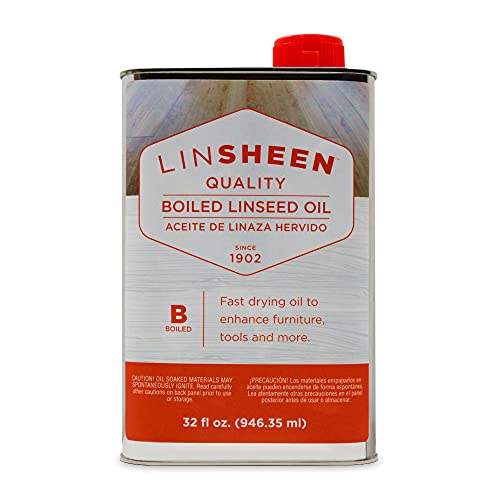
LinSheen Boiled Linseed Oil provides a clear wood finish that enhances the natural color and the texture of the grain as it absorbs into the wood. The boiled formulation speeds up drying and creates a protective layer that penetrates deeply, helping to condition and restore wood while extending its longevity. The oil is designed to deliver a warm, natural look that highlights grain without overwhelming the wood’s character.
The boiled oil includes drying solvents that accelerate cure, making it a practical choice for projects with tighter timelines. It emphasizes grain clarity and depth, delivering a finish that remains faithful to the wood’s inherent beauty while offering durable surface protection for indoor furniture, floors, and decorative pieces.
Sunnyside 87232S Boiled Linseed Oil

Sunnyside 87232S Boiled Linseed Oil is designed to penetrate and protect wood, delivering a quality finish for furniture and antiques. It aims to enhance the wood’s natural tones and grain patterns while providing a durable layer that supports long-term wear. The boiled formula dries more quickly than raw oil, helping to speed up project timelines without sacrificing depth or warmth in the wood’s appearance.
In addition to grain enhancement, this boiled oil can contribute to the overall depth and contrast of the wood, giving a polished look that is especially suitable for indoor woodwork and heirloom pieces. Its penetration into the grain helps maintain the wood’s natural character while offering protective benefits against everyday use and light moisture exposure.
Tried & True Original Wood Finish

Tried & True Original Wood Finish combines linseed oil with beeswax to produce a warm, soft appearance with added protection against water and daily use. The finish is polymerized for fast curing and does not rely on toxic drying aids, which supports indoor use without strong solvents. The blend is durable and forgiving, allowing for touch-ups or repairs over time without stripping the wood.
The product emphasizes a long-lasting finish with a natural feel, making it a practical choice for heritage pieces, furniture, and wood projects where ease of maintenance and a traditional look are valued. The beeswax component helps to impart a gentle luster while helping resist incidental moisture exposure and minor spills.
LinSheen Raw Linseed Oil

LinSheen Raw Linseed Oil offers a natural wood finish in its pure form, with the oil absorbing deeply into the grain to enhance color and texture. This raw oil is designed to penetrate and preserve wood, supporting long-term longevity and water repellency when applied to bare wood. It is commonly used on furniture, floors, and cutting boards where a traditional, unmodified linseed oil finish is preferred.
The raw oil emphasizes depth and authenticity, providing a hand-rubbed polish that respects the wood’s natural character. This option is suited for applications where a straightforward, traditional oil finish is desired, particularly on new or untreated wood surfaces where a gradual build-up of sheen is acceptable over time.
Buying Guide
When choosing a linseed oil for wood, consider how the finish will interact with your project, environment, and maintenance routine. The following considerations cover key purchase factors and practical comparisons to help you select the best option for your needs.
- Finish type and look: Boiled linseed oil dries faster and typically yields a glossier, warmer glow. Raw linseed oil preserves a more natural, subdued look but takes longer to cure. Blends with beeswax or other additives provide extra durability and a softer sheen.
- Drying time and recoat interval: Boiled or polymerized formulas offer quicker drying, enabling faster project timelines. Raw oils generally require longer curing periods between coats and may demand more careful handling during application.
- Grain enhancement versus natural depth: Boiled and wax-blend finishes tend to emphasize grain and color depth, while raw linseed oil highlights grain slowly and more subtly. Consider the level of grain enhancement you want for furniture, cabinets, or decorative wood.
- Indoor versus outdoor use: Indoor furniture and decorative pieces often benefit from finishes with moderate gloss and easy touch-ups. Exterior-grade use requires more robust protection, and some oils may not be suitable for outdoor exposure without additional sealers.
- Safety, odor, and VOCs: Some boiled formulations may carry stronger drying solvents or odors; check product safety data if you are sensitive to fumes or working in a small space. Blends marketed as food-safe or low-VOC may be preferable for kitchenware or cutting boards.
- Application method and cleanup: Linseed oil finishes can be applied with rags, brushes, or cloths. Clean-up typically involves mineral spirits or soap and water, depending on the solvent content. Follow manufacturer guidance for best results and safer disposal of rags and waste.
- Repairability and re-coating: Oil finishes can often be refreshed by applying additional coats without stripping. Some blends with waxes or polymers may require more surface preparation for re-coats to adhere properly.
- Volume, cost, and shelf life: Larger volumes may be more economical for ongoing projects, but consider storage conditions and shelf life. Keep containers sealed to minimize oxidation and preserve performance over time.
- Brand reputation and certifications: Products carrying independent seals or notable endorsements (like Good Housekeeping) can indicate tested performance and consistent quality. Consider product reviews and manufacturer transparency on ingredients and drying times.
- Compatibility with existing finishes: If you are refinishing existing varnishes or paints, verify compatibility to avoid poor adhesion or gloss mismatch. In some cases, testing on a small area is advisable before full application.
Choosing the right linseed oil depends on your project goals, whether you prioritize a quick-dry finish with a glossy glow, a natural grain look, or a durable blend that offers extra protection. By understanding the differences among boiled, raw, and blended formulas, you can select a product that delivers the exact look and longevity you want for your wood surfaces.