Prayer plants, especially Maranta varieties, are prized for their striking lime-green foliage and the way their leaves flutter in response to light. Getting the lighting right is essential to keep colors vivid and growth steady. This guide focuses on five Amazon options that offer practical lighting solutions for homes across the United States, from low-light tolerant live plants to dedicated grow lights that boost brightness during darker seasons. Use the quick table below to compare light needs at a glance as you plan your setup.
| Product | Brand | Light Recommendation | Pot Size |
|---|---|---|---|
| Hopewind Lemon Lime Prayer Plant | Hopewind Plants Shop | Moderate indirect light | 4 in |
| Lemon Lime Maranta Live Plant | Generic | Low to medium indirect light | 6 in |
| Thorsen’s Greenhouse Lemon Lime Prayer Plant | Thorsen’s Greenhouse | Bright indirect light | 4 in |
| Live Lemon-Lime Prayer Plant — Ragnaroc | ragnaroc | Medium, filtered light | 4 in |
| Kullsinss Grow Lights For Indoor Plants | Kullsinss | Full spectrum grow light supplement | N/A |
Thorsen’s Greenhouse Lemon Lime Prayer Plant

Thorsen’s Greenhouse Lemon Lime Prayer Plant is a compact Maranta leuconeura with bright green leaves accented by darker veins. Its most distinctive behavior is leaf movement, shyly following light during the day and folding at night like praying hands. This makes it a dramatic accent in a sunny shelf or windowsill. For best growth, place it where it receives bright, indirect light rather than harsh direct sun. Keep temperatures steady and avoid overwatering.
Thorsen’s Greenhouse notes the plant comes in a 4-inch pot and complements spaces from desks to bookshelves. It is non-toxic to pets, adding practical appeal to homes with animals. In care terms, water when the top inch of soil feels dry, and provide humidity if your home is dry. With proper light, the Lemon Lime prayer plant maintains vivid foliage and dynamic shape throughout the year.
Hopewind Lemon Lime Prayer Plant — 4 Inch Pot

Hopewind’s Lemon Lime Prayer Plant features bright lime foliage and a compact habit suitable for tabletops and shelves. It performs best in moderate, indirect light and avoids harsh sun that can scorch leaves. A simple watering rhythm—about every one to two weeks when the soil is almost dry halfway down—helps maintain healthy growth. Originating in Brazil and sold in a 4-inch pot, this plant pairs well with rooms featuring bright, filtered light and steady temperatures.
The lemon-lime coloration remains most vivid when light is steady but not intense, and the plant’s resilience makes it suitable for beginners. It’s well-suited for homes with moderate natural light and can adapt to standard indoor humidity levels. With regular light and proper watering, the plant maintains its decorative appeal and compact footprint.
Lemon Lime Maranta Live Plant

This Lemon Lime Maranta stands out for its vibrant, lemon-colored leaves and decorative pattern. Marketed as a low-light option, it tolerates shaded interiors while still showing leaf movement in response to light. In a 6-inch pot, it benefits from bright, indirect exposure and steady moisture. Avoid placing it in direct sun, which can fade colors and stress the plant.
Its low-maintenance profile helps make it a reliable starter plant for interiors that lack strong sunlight. The Lemon Lime Maranta thrives with consistent humidity and occasional wipe-downs of dust on the leaves to keep photosynthesis efficient. This makes it a versatile choice for offices or living rooms with modest daylight.
Live Lemon-Lime Prayer Plant — Ragnaroc

Ragnaroc’s Lemon-Lime Prayer Plant offers an eye-catching mix of light-green leaves with emerald accents. The plant arrives as a live specimen in a 4-inch pot and grows to a manageable indoor height, making it suitable for tabletops or shelves. Its classic Maranta behavior—leaves lifting toward light—adds a dynamic element to living spaces. For best results, place it in medium, filtered light to preserve color and movement while avoiding direct sun damage.
Medium, filtered light is recommended to preserve the leaf pattern and motion without scorching. The plant ships with care guidance for home growth, and it blends well with other low-maintenance greenery. While it prefers steady moisture, avoidance of soggy soil helps prevent root issues and keeps the foliage crisp.
Kullsinss Grow Lights For Indoor Plants
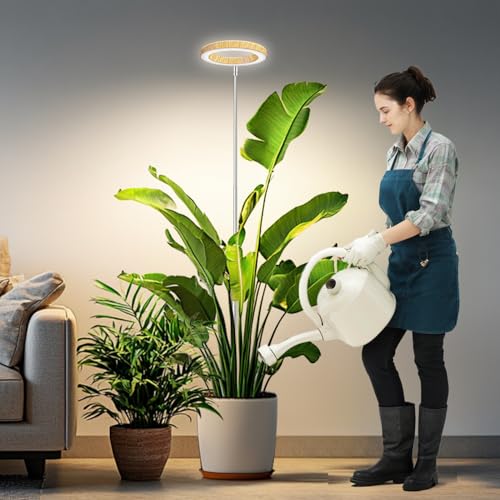
This halo-style grow light from Kullsinss brings artificial sun into spaces lacking bright windows. It uses a full-spectrum array that covers 380 to 760 nanometers, designed to support all growth stages from germination to flowering. The fixture’s integrated wood-grain look helps blend into home decor, while the 80 high-efficiency LEDs deliver evenly distributed light for compact setups.
Smart controls offer five dimmable levels, three spectra modes, and a timer option for on/off cycles. With 6/12/16-hour settings, it can extend daylight for prayers or evenings, and its adjustable height (up to roughly 65 inches) helps tailor the light to any plant bench, shelf, or corner. This makes it a versatile addition to a light-focused care routine.
Buying Guide
Choosing the right lighting for a prayer plant depends on the plant’s growth stage, your indoor light availability, and whether you want to rely on natural light or supplement with artificial light. Below are practical considerations to help you compare options and select the best setup for your space.
- Light intensity and duration: Most prayer plants prefer bright, indirect light. Low-light varieties can tolerate shaded interiors but may lose vibrancy over time. For rooms with limited sun, a grow light can extend daily light hours without exposing leaves to direct sun.
- Direct sun avoidance: Direct sunlight can scorch delicate Maranta leaves and fade coloration. Place plants near east- or north-facing windows or in rooms with filtered light to maintain color and texture.
- Using grow lights: Full-spectrum lights that cover the 380–760 nm range support photosynthesis across growth stages. Look for adjustable spectra and dimming options, plus timers to mimic natural day-night cycles.
- Placement and distance: If using a grow light, position it about 12–24 inches above smaller plants and higher for taller setups. Adjust distance as leaves grow to prevent leaf burn while ensuring sufficient light exposure.
- Consistency and routine: Prayer plants benefit from regular light schedules. In winter months or darker homes, a timer helps maintain a stable photoperiod and prevents leaf stress from abrupt light changes.
- Water and humidity interplay: Light exposure influences evaporation rates. Brighter setups may require more frequent watering or higher humidity. Moderate humidity aligns well with most indoor environments, but a tray of water or a humidifier can help in dry air.
- Pet safety and placement: Several prayer plants are non-toxic to pets, yet ingestion can still cause discomfort. Place plants where pets cannot chew or dig into leaves, and keep soil moisture balanced to avoid mold or pests.
- Budget and maintenance: Live plants paired with a dedicated grow light offer flexibility for varying light conditions. If you prefer minimal equipment, optimize natural light first and consider a modest, adjustable LED grow light as a supplement.