Hybrid wood stoves pair the best aspects of catalytic and non-catalytic designs to maximize heat output while reducing emissions. These stoves can adapt to different heating needs, offering long, efficient burns and easier maintenance. This guide highlights five top options that blend performance with modern EPA standards, helping American homes stay warm with cleaner, cheaper heat. Each choice is evaluated on heat coverage, durability, installation practicality, and overall value.
| Product | Brand | Heats Up To | Notes |
|---|---|---|---|
| Ashley Hearth AW2520E-P Wood Stove | Ashley Hearth | 2,500 sq ft | EPA certified; pedestal design; logs up to 21″ |
| Cleveland Iron Works Huron Wood Stove | Cleveland Iron Works | 2,500 sq ft | Firebrick lined; logs up to 18″ |
| Ashley Hearth AW1120E-P Pedestal Wood Stove | Ashley Hearth | 1,200 sq ft | EPA certified; pedestal style; logs up to 18″ |
| Ashley AW3200E-P Pedestal Stove With Blower | Ashley Hearth | 3,200 sq ft | EPA certified; powerful blower; logs up to 18″–22″ |
| Cleveland Iron Works Erie Wood Stove | Cleveland Iron Works | 900 sq ft | Logs up to 18″; reliable basic heating |
Ashley Hearth AW2520E-P Wood Stove

The AW2520E-P is a pedestal wood stove designed to deliver steady heat across mid-sized living spaces. Its combination of design and performance makes it a strong candidate for homes seeking a hybrid approach that balances catalytic efficiency with easy operation. With robust heat output, it is equipped to handle daily heating needs while maintaining clean burn characteristics.
- 112,800 BTUs provide reliable warmth for up to about 2,500 square feet
- Firebrick lining enhances longevity and combustion efficiency
- Large ash drawer simplifies cleanup and maintenance
- Accommodates logs up to 21 inches in length
Cleveland Iron Works Huron Wood Stove

The Huron model focuses on dependable, room-filling heat with a firebrick-lined interior for longevity and efficient combustion. It is well-suited for homeowners who want solid performance without complexity, delivering comfort in up to 2,500 square feet of living space.
- Holds logs up to 18 inches long
- Heats up to about 2,500 sq ft
- Firebrick lined for long life and improved efficiency
Ashley Hearth AW1120E-P Pedestal Wood Stove

The AW1120E-P is a compact, EPA-certified pedestal stove designed for smaller spaces while still delivering reliable warmth. Its streamlined construction makes it easy to install in rooms where floor space is at a premium, yet it retains the core efficiency and durability expected from Ashley Hearth products.
- Heats up to 1,200 sq ft
- EPA certified for clean burning
- Accepts logs up to 18 inches in length
Ashley AW3200E-P Pedestal Stove With Blower
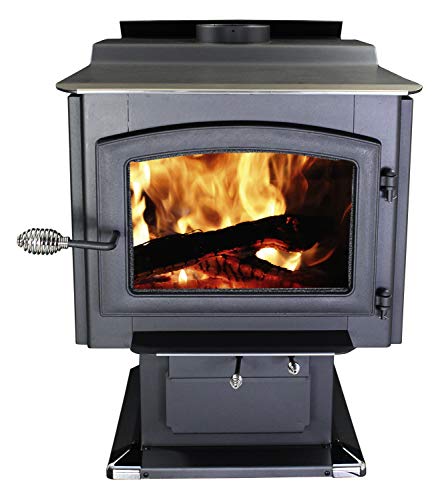
The AW3200E-P is a high-capacity, pedestal stove designed to heat larger areas with an integrated blower for boosted air distribution. It blends substantial heat output with a robust, durable build and a broad log-length range to support flexible fuel choices, making it suitable for larger homes seeking a hybrid heating solution.
- 152,000 BTUs heat up to 3,200 sq ft
- Blower assists rapid room heating
- Logs up to 18″–22″ in length; heavy-gauge plate steel with firebrick lining
Cleveland Iron Works Erie Wood Stove
The Erie model offers reliable, straightforward heating for spaces up to about 900 square feet. Its design emphasizes durability and ease of use in a compact footprint, making it a practical choice for smaller living areas or as a supplementary heat source.
- Heats up to 900 sq ft
- Max log length 18 inches
- 1-year warranty
Buying Guide
When evaluating hybrid wood stoves, consider how heat output, space, and maintenance fit your home. A true hybrid approach combines the efficiency of catalytic burning with the simplicity of non-catalytic operation, enabling longer burn times and lower emissions. The following considerations help compare models and guide a buying decision that balances comfort and value.
Heat Coverage and Room Size
Choose a stove that matches the size of the space you intend to heat. Models in this selection range from about 900 to 3,200 square feet of coverage. For larger rooms, prioritize stoves with higher BTU ratings or the option to add a blower to distribute heat more evenly. Smaller spaces benefit from pedestal designs that fit compact layouts without sacrificing efficiency.
Fuel Efficiency and Emissions
EPA certification is a baseline for cleaner burning. Catalytic components can offer longer burn times and reduced emissions, but non-catalytic options often require less maintenance. Compare burn time, fuel consumption, and ash management features, such as large ash pans or easy-clean fireboxes, to minimize overall running costs and environmental impact.
Size, Installation, and Aesthetics
Correct sizing ensures the stove fits the room and aligns with chimney clearances. Pedestal models save floor space and work well in rooms with varied floor layouts. If you plan to use the stove as a primary heat source, a larger model with a blower can improve heat distribution and comfort, while smaller units suit secondary heating or space heating.
Durability and Build Quality
Look for heavy-gauge steel construction, firebrick lining, and durable door hardware. A sturdy stove withstands daily use and maintains efficiency over time. Warranty terms also indicate confidence in long-term performance; a longer warranty can offer peace of mind for investment-heavy appliances.
Ease of Maintenance
Maintenance affects performance and ownership cost. Favor stoves with accessible ash pans, straightforward ash removal, and clean-out passages. Regular inspections of gaskets and glass help prevent drafts and ensure consistent heating. Some models include features to simplify cleaning and reduce maintenance effort during peak heating seasons.
Installation and Venting
Proper venting is critical for safe operation. Check local codes and chimney compatibility, including exhaust outlet size and installation options for pedestal versus freestanding units. If venting challenges arise, consider models with simpler install profiles or professional installer guidance as part of the overall cost.
Value and Long-Term Cost
Compare upfront price with long-term efficiency, fuel use, and maintenance needs. A higher upfront cost may be offset by lower fuel consumption and longer service life. Consider total cost of ownership over 5–10 years, including potential repairs and replacement parts for catalytic versus non-catalytic components.