Gas heating stoves offer reliable warmth, flexible fuel options, and stylish design for living spaces. This guide highlights five top models that balance heat output, safety features, and ease of use. Whether you want a ventless fireplace-style heater or a portable stove for emergencies, these selections provide dependable warmth and straightforward operation. Each product section below includes key specs, practical notes, and considerations to help you choose the right stove for your space.
| Product | Brand | BTU (approx) | Type |
|---|---|---|---|
| Duluth Forge FDSR25 Ventless Stove | Duluth Forge | 26,000 | Ventless Dual Fuel |
| Pleasant Hearth VFS2-PH30DT | Pleasant Hearth | 30,000 | Vent Free Gas Stove |
| Gas One GS-3400P | Gas One | Not specified | Dual Fuel Portable Stove |
| Gas One GS-1000 | Gas One | 7,650 | Portable Butane Stove |
| Gas One 200K BTU Propane Burner | Gas One | 200,000 | Outdoor Propane Burner |
Duluth Forge FDSR25 Ventless Stove

The Duluth Forge FDSR25 Ventless Stove delivers 26,000 BTU of heating power using patented dual-fuel technology that supports natural gas or propane. It is designed to heat spaces up to about 1,200 square feet, making it suitable for living rooms or open-plan areas. The unit includes a thermostat remote control, enabling you to adjust the temperature and manage the log set from a distance. Batteries (two AAA and two AA) are included to power the remote, adding convenience for everyday use.
Aesthetically, Duluth Forge emphasizes realism with six hand-painted logs crafted from ceramic fiber material, providing a long-lasting, lifelike appearance. The combination of heat output, dual-fuel flexibility, and remote control makes this model a practical choice for homeowners seeking a compact, efficient heating solution without a vent system. Installation requires careful placement to ensure proper clearance and safe venting behavior in your space.
Safety and operation considerations include monitoring the log set’s heat and ensuring the remote remains within range for consistent control. This model emphasizes convenience and reliable warmth while maintaining a stylish, realistic stove presence in your room. If you already have a natural gas line or propane supply, this ventless option can be a straightforward addition to your heating plan.
Pleasant Hearth VFS2-PH30DT 30,000 BTU Vent Free Stove

The Pleasant Hearth VFS2-PH30DT is a 30,000 BTU vent-free gas stove designed to heat spaces efficiently up to roughly 1,000 square feet. It features a built-in thermostat for automatic temperature regulation and an overheat sensor for safety. Constructed from cold-rolled steel, the stove combines durability with a clean, classic look that complements many interiors. It supports dual-fuel capability (LP or NG), offering flexibility if you switch between fuel sources. The unit’s dimensions and clearance requirements are important to consider for proper installation and to maintain safe distances from walls and furniture.
Key practical aspects include the uncomplicated installation, the benefit of a thermostat-controlled heat output, and the overall reliability of vent-free operation, which eliminates the need for a chimney or venting while delivering steady warmth. This model is well-suited for people seeking a robust secondary heating source or a cozy focal point in a living area. As with all vent-free stoves, ensuring adequate ventilation in the room is important for air quality and comfort.
Gas One GS-3400P Dual Fuel Camping Stove

The Gas One GS-3400P is a portable dual-fuel stove designed for versatility. It supports both butane (fuel not included) and propane, giving you flexibility whether you’re camping, preparing for emergencies, or cooking outdoors. The kit includes a propane converter regulator and an automatic Piezoelectric ignition, which eliminates the need for matches or lighters. Users can ignite quickly and manage heat with an adjustable dial, making the GS-3400P suitable for a range of outdoor cooking scenarios. Its portability and ease of use make it a practical addition to a household emergency kit or camping setup.
Operational considerations include fuel availability, the need for a stable, flat surface, and weather conditions that may affect performance. While not a primary indoor heating source, this model demonstrates the dual-fuel capability that many users value for flexibility. The built-in ignition and regulator support reliable, controlled heat output, which is helpful in outdoor environments where precise flame management matters for safety and efficiency.
Gas One GS-1000 Portable Butane Stove
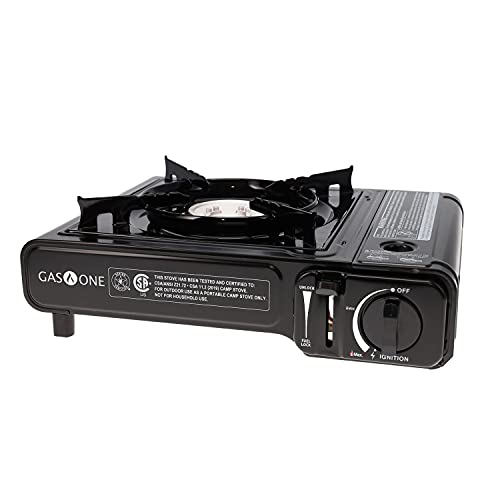
The Gas One GS-1000 offers compact, portable heating and cooking capability with 7,650 BTU output. It is designed to work with 8-ounce butane canisters (fuel sold separately) and is CSA listed for safety. The stove includes an automatic starter with a Piezo ignition and a safety shut-off system, reducing the need for matches or lighters while providing reliable ignition. A carrying case makes transport convenient for camping trips, emergency kits, or outdoor events where quick, controllable heat is beneficial. The GS-1000 emphasizes portability and safety without sacrificing performance.
Considerations for use include the availability of butane canisters, proper ventilation in enclosed spaces, and the potential need for a stable surface or wind protection when used outdoors. While primarily a portable option, its ease of use and safety features make it a practical choice for temporary heating or cooking needs in small spaces or on the go.
Gas One 200K BTU Propane Burner

This Gas One outdoor burner delivers an impressive 200,000 BTU, making it a powerful option for outdoor cooking, home brewing, or heavy-duty heating applications in open-air setups. Built for rugged use, the burner features a heavy-duty metal body with cast iron burners and a high-temperature protective coating to ensure durability in challenging environments. A regulator knob controls heat output from 0 to 20 psi, while a steel braided hose provides a secure gas connection. This burner is designed for serious heat and is best used in well-ventilated outdoor spaces or dedicated outdoor cooking areas.
Important considerations include safe installation away from flammable materials, proper clearance for airflow, and appropriate fuel supply management. This model is not intended for indoor use due to ventilation requirements, but it excels in outdoor cooking, boiling, or heating large quantities of water or food. For users seeking high-output heat in an outdoor setting, this dual-purpose burner offers robust performance and long-lasting construction.
Buying Guide
Key purchase considerations
- Heat output and space size: Match BTU to your room size. For living areas around 400–1,000 sq ft, 20–40 BTU per sq ft is typical in cold climates. Larger spaces or higher heating needs require higher BTU models.
- Venting options: Ventless (vent-free) stoves simplify installation but require adequate room ventilation and can affect indoor air quality. Vent-free units are best for well-sealed spaces used as supplementary heat. Vented or insert-style stoves require proper chimney or venting and may distribute heat differently.
- Fuel type and flexibility: Dual-fuel models offer versatility between natural gas and propane. Consider whether you have a gas line or if you rely on propane tanks. Fuel availability and cost can influence long-term operating expenses.
- Safety features: Look for built-in thermostats, overheat sensors, flame failure devices, and CSA/UL certifications. Remote controls add convenience but ensure batteries are readily available and accessible.
- Size and installation footprint: Measure space and clearance requirements to avoid heat damage to nearby walls or furnishings. Fixed installations differ from portable units in terms of placement flexibility.
- Material and aesthetics: Realistic log sets and durable finishes contribute to the stove’s look. Stainless steel, cold-rolled steel, and ceramic fiber components influence longevity and maintenance.
- Portability vs. permanence: Portable stoves are ideal for emergencies or outdoor use, while vented or ventless home stoves are suitable as long-term room heaters.
- Maintenance and service: Consider ease of cleaning, access to replacement parts, and warranty coverage. Regular inspection of gas connections and ignition components improves safety and performance.
Comparison of indoor vs outdoor options
- Indoor, vented stoves prioritize warmth, aesthetics, and space efficiency. They require careful installation and ventilation planning but provide consistent heat with controlled airflow.
- Ventless indoor models emphasize simple installation and flexibility but should be used in appropriately sized rooms and with attention to air quality.
- Outdoor burners deliver high heat for cooking and heating in open-air environments. They are not suitable for indoor use and require wind protection and stable surfaces.
- Dual-fuel units offer resilience in situations where one fuel source is unavailable. They are valuable in areas with variable fuel supply or during emergencies.
Quick recommendations by use case
- Best overall for living rooms: Duluth Forge FDSR25 Ventless Stove for strong heat with remote control and realistic logs.
- Best value for space and reliability: Pleasant Hearth VFS2-PH30DT with thermostat control and substantial BTU output.
- Best portable option for camping or emergencies: Gas One GS-3400P Dual Fuel Camping Stove.
- Best compact portability: Gas One GS-1000 Portable Butane Stove for quick, small-space heating or cooking.
- Best high-output outdoor burner: Gas One 200K BTU Propane Burner for outdoor cooking and large-batch heating needs.
When selecting a gas heating stove, consider the balance of heat output, space constraints, and safety features. By evaluating the BTU needs of your room and the practicality of venting, you can choose a model that offers reliable warmth, efficient operation, and appropriate installation for your home or outdoor setting.