Choosing the right underlayment can dramatically extend the life of wood subfloors by protecting against moisture, reducing noise, and smoothing out minor subfloor irregularities. The products below focus on moisture barriers, sound insulation, and easy installation for laminate, engineered wood, and hollow-core substrates. This guide highlights five top underlayment options that balance performance, durability, and ease of use for American homes with wood subfloors.
| Product | Brand | Notable Benefit |
|---|---|---|
| FLOORLOT BlueStep Underlayment | Floorlot | Moisture barrier and sound absorption |
| PolyFoam Multipurpose Foam Underlayment | MP Global Products | Moisture resistance; shock absorption |
| Wood Fiber Underlayment 6mm | STEICO | Natural wood fiber; superior acoustic performance |
| QuietWalk Underlayment | Quiet Walk | Moisture barrier; works with pre-attached pad |
| Eco Cork Foam Underlayment | Eco Cork Foam | Vapor barrier; sound insulation |
Floorlot BlueStep Underlayment
< figure>
The Floorlot BlueStep Underlayment is designed specifically for laminate and wood floors, delivered as a generous 200 square foot roll. The built-in moisture blocking film provides a protective moisture barrier without the need for extra films, simplifying installation and reducing material waste. This underlayment supports quieter foot traffic for modern, active households, addressing the hollow sounds often heard with floating floor systems. The combination of a moisture shield and sound absorption makes it a solid all-around choice for homes aiming to minimize noise while guarding against subfloor moisture.
Users appreciate the rolled format for straightforward installation and uniform coverage across standard rooms. The moisture protection reduces long-term risks like warping, cupping, or staining due to subfloor moisture, particularly when homes have concrete slabs or older wooden bases. The product is lightweight, easy to handle, and compatible with a variety of thin flooring types. For remodels or new builds where both moisture control and sound dampening are priorities, BlueStep provides a practical balance between performance and installation simplicity.
PolyFoam Multipurpose Foam Underlayment
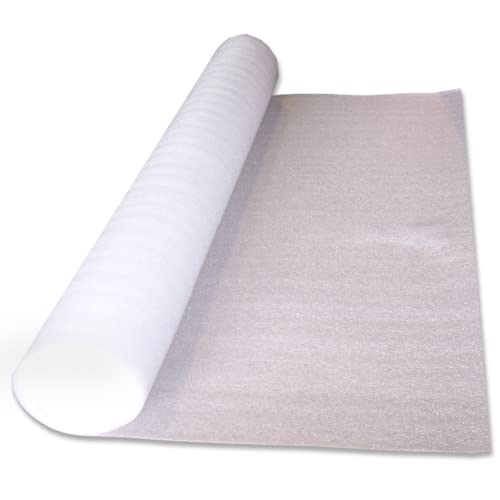
The PolyFoam Multipurpose Foam Underlayment is a versatile option ideal for laminate and engineered wood flooring. It comes in a 100 square foot roll and is designed to bridge minor subfloor imperfections, creating a smoother, more even surface for installation. The moisture-resistant barrier helps protect flooring from moisture rising from concrete or wood subfloors, contributing to long-term durability and reduced risk of damage. The foam is lightweight and easy to handle, enabling quicker installation in both DIY and professional projects.
Researchers and installers often highlight its shock-absorbing qualities, which help soften foot traffic and reduce the transmission of impact sounds. This underlayment’s combination of moisture resistance and cushioning makes it suitable for busy households or multi-room renovations where comfort and longevity matter. While it may not offer the same natural fiber characteristics as cork or wood-based products, its affordability and straightforward installation make it a favorite for standard residential projects requiring reliable performance without complexity.
Wood Fiber Underlayment 6mm

STEICO’s Wood Fiber Underlayment offers a natural, fiber-based solution with a 6 millimeter thickness, packaged in a 90 square foot set. This 1/4 inch thickness is optimized for comfort and acoustic performance, with US testing certifying its sound control properties on concrete slabs. The flooring underlayment is made from natural wood fiber material without glue additives, reducing VOC emissions and contributing to healthier indoor air quality. The product is PEFC-certified and produced in EU facilities using Binder-Lignin, aligning with green building considerations.
For projects prioritizing environmental sustainability, STEICO provides an appealing option with strong acoustic performance and minimal chemical additives. The material’s natural composition can appeal to customers seeking eco-conscious choices. Installation requires attention to alignment and cutting accuracy, but the durability and sound control benefits—especially on concrete slabs—can justify the extra setup effort. The 6mm thickness supports moderate lift and improved comfort underfoot, while the natural fibers help dampen footsteps more effectively than some synthetic foams.
QuietWalk Underlayment 100 Sq Ft

QuietWalk Underlayment is a 3 mm thick option sized for 100 square feet, and it is approved for use with pre-attached pad assemblies. It features a moisture barrier designed to keep subfloor moisture from impacting the finished floor, a critical factor for long-term performance in basements or ground-level installations. The product’s recycled fiber composition emphasizes sustainable materials, while its compatibility with flooring systems that include pre-attached pads makes it a convenient choice for modern laminates and engineered woods.
Supporters of QuietWalk highlight its broad compatibility and reliability for floating floor installs. Although the thinner profile may offer less isolation than thicker options, it compensates with effective moisture protection and a straightforward installation process. For spaces where the subfloor moisture risk is moderate and ease of use is a priority, QuietWalk provides predictable results with a relatively compact footprint and sustainable materials.
Eco Cork Foam Underlayment

Eco Cork Foam Underlayment combines cork and foam in a 100 square foot roll to deliver a unique blend of durability, insulation, and moisture management. The built-in 6 mil vapor barrier helps protect vinyl plank and laminate floors from subfloor moisture, supporting long-term performance and reducing the risk of adhesive failure or warping. The product emphasizes enhanced sound insulation, with acoustic ratings evident in its IIC and STC data, making it a strong choice for multi-room homes and apartment buildings where noise control matters.
Installation is aided by self-sealing tape and a 3-inch overlap, simplifying alignment and reducing gaps. The cork-foam design offers natural damping properties, contributing to a quieter living environment. Eco Cork Foam is particularly attractive for homeowners seeking eco-friendly materials, as cork is a renewable resource and the foam formulation minimizes formaldehyde and other emissions when specified. For projects prioritizing natural materials with reliable moisture and sound performance, this underlayment provides a balanced option.
Buying Guide
When selecting underlayment for wood subfloors, several key factors influence long-term performance and value. Moisture management remains critical, especially over concrete slabs or in humid climates. Look for a built-in moisture barrier or a compatible vapor barrier that matches the flooring type and subfloor. Noise reduction is another important consideration for living spaces, bedrooms, and open-plan layouts where foot traffic is audible. Material choice—foam, cork, or natural fibers—affects comfort, acoustics, and environmental impact. Compatibility with pre-attached pads and thin-profile floors affects installation ease and subfloor levelness. Finally, consider durability and fire safety credentials, as well as environmental certifications that align with green building standards.
Moisture Protection
Underlayments with moisture barriers prevent capillary moisture from rising through concrete and wood subfloors, protecting adhesives and surface finishes. For concrete slabs, a robust vapor barrier is essential; for wood subfloors, a moisture shield minimizes warping and cupping over time. If your space has poor ventilation or moisture-prone zones (basements, bathrooms adjacent rooms), prioritize products with proven moisture resistance. Some options include built-in moisture films, vapor barriers, and laminated coatings designed to stop moisture migration while remaining compatible with floating floors.
Acoustic Performance
Sound control is a major selling point, especially in multifamily homes or open-floor plans. Cushioning materials such as foam, cork, and wood fiber help dampen footstep noise and impact sounds. Acoustic performance is often quantified by IIC (Impact Insulation Class) and STC (Sound Transmission Class) ratings; higher numbers indicate better sound isolation. Consider the thickness and density of the underlayment to balance sound attenuation with ease of installation. In some cases, a slightly thicker option may improve comfort without adding excessive compressibility under furniture and appliances.
Material Type And Eco-Friendliness
Foam underlayments are affordable and easy to install, but cork and wood-fiber options can offer superior natural sound dampening and lower VOC emissions. Cork combines renewable origins with effective damping, while natural wood fibers appeal to eco-conscious buyers due to minimal additives and certification programs. If indoor air quality is a priority, review product disclosures for VOC content, recycled content, and certifications like PEFC or other sustainability labels. Your choice can reflect both performance needs and environmental values.
Thickness And Subfloor Compatibility
Underlayment thickness affects both comfort underfoot and floor height. Thicker options (around 6 mm) generally provide better impact absorption but may require careful transitions at doorways and with baseboards. Thinner variants (2-3 mm) simplify installation and reduce the chance of trim issues, but offer less sound insulation. Subfloor compatibility varies; practice gauge tests to ensure the chosen underlayment aligns with the floor structure, adhesive requirements, and any pre-attached padding in the laminate or engineered wood you plan to install.
Installation Considerations
Look for user-friendly features such as self-sealing tape, overlap guidance, and easy-to-cut materials for faster setup. Some products are designed for immediate use on both new builds and renovations, while others may require more precise cutting and alignment. For DIY projects, a straightforward installation with visible instructions can save time and reduce mistakes. For contractors, robust moisture protection and consistent thickness help standardize installations across multiple rooms and layouts.
Durability And Long-Term Performance
Durability hinges on moisture exposure, traffic, and floor type. A reliable underlayment should maintain its cushioning and barrier properties without significant compression or deterioration under daily use. Evaluate warranty terms and user reviews to gauge real-world performance. A durable option may justify a higher upfront cost by extending flooring life and reducing maintenance needs in the long run.
Conclusion Without Saying It
Choosing the right underlayment is about balancing moisture protection, acoustic performance, and installation practicality for wood subfloors. No single product fits every scenario, but the five options highlighted here cover a broad range of priorities—from moisture barriers and sound absorption to eco-friendly materials and straightforward DIY installation. Assess your subfloor conditions, climate, and flooring type to select an underlayment that delivers consistent performance and lasting comfort.