Basement bathrooms demand flooring that can withstand humidity, minor flooding risks, and constant foot traffic, all while remaining budget-friendly and easy to install. Vinyl tile solutions offer moisture resistance, quick DIY installation, and a wood- or stone-like aesthetic that keeps basements looking bright and finished. Below, five top Amazon options are evaluated for basement bathrooms, balancing waterproof performance, ease of install, and long-term durability. Each option includes practical installation notes and suitability for concrete subfloors, basements, and moisture-prone spaces.
| Product | Brand | Coverage | Notable Benefit |
|---|---|---|---|
| AKOLAFE 40 Sheet Vinyl Flooring 12×12 Peel and Stick Floor Tile Waterproof Clearance Vinyl Floor Tiles Wood Grey | AKOLAFE | 40 sq ft | Budget-friendly, self-adhesive with wood grain look |
| Nexus Self Adhesive 12-Inch Vinyl Floor Tiles, 20 Tiles – Bianco Marble Pattern | ACHIM | 20 sq ft | Simple Peel & Stick installation, marble pattern |
| Art3d Interlocking Luxury Vinyl Flooring Tile, 36 x 6 Inch, 18-Pack | Art3d | 27 sq ft | Interlocking, no glue, reusable and durable |
| AKOLAFE 40 Sheet Vinyl Flooring 12×12 Peel and Stick Floor Tile Wood Striated | AKOLAFE | 40 sq ft | Wood-look vinyl with easy peel & stick |
| ATOPOSE Peel and Stick Floor Tile Waterproof – 36 Pack 54 Sq.Ft | ATOPOSE GREEN SURFACE SOLUTIONS | 54 sq ft | Wood grain, waterproof, easy DIY installation |
AKOLAFE Peel & Stick Vinyl Tiles

AKOLAFE’s 40-sheet vinyl flooring set provides 11.8 x 11.8 inch tiles with a slim 1.3 mm thickness, covering about 40 square feet. The peel-and-stick design is designed for rapid installation on dry, flat surfaces, making it suitable for basement bathrooms with concrete slabs. The wood-look finish offers a neutral, versatile aesthetic that complements modern basements. Installation tips from the listing emphasize surface preparation: ensure the floor is clean, flat, and dry; avoid applying over textured or warped substrates; and allow 48 hours for adhesive curing before heavy foot traffic. The product notes potential color variations between batches, so ordering additional tiles from the same lot is prudent for color consistency. The self-adhesive format minimizes mess and removes without damaging underlying surfaces, which helps maintain a basement’s existing concrete or tile transitions. For best results, a utility knife can help customize tile shapes to fit irregular bathroom layouts.
Key considerations for basement bathrooms with this option include moisture exposure and temperature stability. While the tiles are marketed as waterproof and are easy to replace, they rely on a clean, flat, and dry substrate to prevent edges from lifting. For renters or homeowners seeking a quick remodel, AKOLAFE’s tiles deliver a cost-conscious, DIY-friendly solution that can be trimmed to fit around sinks, toilets, or small shower enclosures. The finish resembles wood, which can balance the utilitarian look of a basement while maintaining a cozy space. Regular cleaning with mild cleaners is recommended to avoid residue buildup on the adhesive surface.
Nexus 12×12 Vinyl Tiles

Nexus Vinyl Tiles offer 12-inch by 12-inch tiles with a marble-like Bianco pattern and a 1.2 mm thickness. The package includes 20 tiles (covering about 20 square feet) and emphasizes a glue-free, peel-and-stick installation process. This makes it a practical option for basement bathrooms with concrete slabs, where a quick upgrade is desirable. The product highlights a clean, low-odor alternative to messy mortar and grout, with a focus on simple renovation workflows. The tiles are designed for use in kitchens, dining rooms, bedrooms, and basements, including bathrooms, providing versatility for space transitions between living areas. As with all peel-and-stick products, surface prep is crucial: ensure the subfloor is smooth, dry, and free of debris to prevent adhesive failure. Color variation may occur across batches, so consistency is best achieved by ordering duplicates from the same lot.
For basement bathrooms, this Nexus option offers a straightforward aesthetic—bright, reflective surfaces that can visually widen small spaces. The absence of glue reduces installation time and odor, appealing to DIYers seeking rapid results. It’s important to note that the thinness of 1.2 mm means this product may be more susceptible to indentation in high-traffic zones or against heavy bathroom doors. Regular maintenance with a gentle mop or microfiber cloth helps preserve the pattern and prevent dulling of the surface over time. If minor repairs are needed, individual tiles can be replaced without removing surrounding sections.
Art3d Interlocking Vinyl Flooring Tile

Art3d’s interlocking luxury vinyl tiles provide a reusable, no-glue solution that interlocks like a puzzle. Each tile uses a simple buckle system for installation and removal, allowing rapid covering of basement bathroom floors on flat, clean concrete or existing subfloors. The tiles feature a wear-resistant UV layer designed to withstand daily moisture exposure, making them a durable option for bathrooms and other high-traffic areas. The interlock design eliminates messy grout lines, reducing maintenance needs and cleaning challenges common to traditional tile. The product emphasizes safety with a formaldehyde-free, odorless composition, contributing to a healthier indoor air environment in basements. The kit typically includes 27 sq ft worth of tile coverage, with edges easily trimmed to fit around fixtures or irregular walls. The option is particularly appealing for renters or landlords seeking a long-lasting, removable flooring solution with a contemporary wood-look finish.
When evaluating Art3d Interlocking tiles for a basement bathroom, consider the need for an underlayment or moisture barrier in very damp spaces. While the interlocking system supports a tight seam and easy cleanup, extreme basement humidity can affect edge tightness over time if subfloor moisture is not controlled. Use a moisture barrier or sealant if the environment experiences frequent dampness, and ensure all edges remain flush to prevent water from seeping underneath. The ability to reuse tiles also enables rearrangement of the layout as design preferences evolve or the space is repurposed.
AKOLAFE Striated Wood Vinyl Tiles

This AKOLAFE listing presents another wood-look vinyl tile option, with 40 sheets covering roughly 40 square feet. Like the first AKOLAFE product, these tiles use a peel-and-stick design intended for fast installation on dry, flat surfaces and are particularly suited to basement bathrooms where a warm, wood-inspired aesthetic is desired. The package notes emphasize careful size confirmation (11.8 x 11.8 inches, 1.3 mm thick) and potential color variation between batches, underscoring the importance of uniform batch selection for cohesive visuals. A 48-hour waiting period after tile adhesive sets is recommended in some situations to ensure full bond. The product’s self-adhesive nature reduces the need for additional adhesives or professional installation, making it attractive for basement upgrades with limited time or budget.
In basements, moisture management remains essential. While these tiles offer a wood-grain appeal and straightforward installation, ensure the concrete floor is clean, dry, and free of moisture sources before laying down. A damp or uneven subfloor can cause edges to lift over time. Routine cleaning with non-abrasive cleaners helps preserve the pattern and finish. The self-adhesive design enables easy replacement of individual tiles if damage occurs, which can be advantageous in a basement bathroom that experiences humidity fluctuations or minor leaks. Consider pairing with a moisture barrier in areas prone to higher moisture to extend the floor’s life and maintain its appearance.
ATOPOSE Wood Grain Peel & Stick Floor Tile
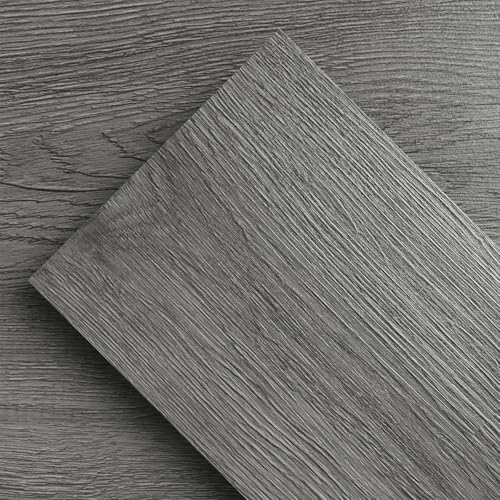
ATOPOSE’s Peel and Stick Floor Tile comes in a 36-pack with about 54 square feet of coverage, featuring a wood grain look and a rigid core designed to resist warping. The packaging emphasizes the no-glue installation approach, making it an attractive option for basement bathrooms where quick upgrades are needed. The product highlights include waterproof and scratch-resistant properties, a slip-resistant finish, and a durable surface that holds up under daily bathroom use. Edges are pressed firmly for a tight seal to minimize water intrusion. Because basements can experience temperature fluctuations, verify the substrate is level and free of moisture before installation. The tiles are designed to wipe clean easily, with spills responding quickly to prevent staining or warping. If you’re updating a damp space, plan for occasional resealing or spot-replacements as needed to maintain a uniform look over time.
Buying Guide
Moisture Control and Subfloor Readiness
Basement bathrooms face higher humidity and occasional water exposure. Prioritize waterproof or water-resistant vinyl options, and prepare the concrete subfloor by cleaning, drying, and smoothing any uneven areas. A moisture barrier or underlayment can help reduce the risk of edge curling and prolong the life of peel-and-stick tiles. Consider a product with a thicker wear layer and a robust surface that resists staining and moisture infiltration.
Installation Method: Peel-and-Stick vs Interlocking
Peel-and-stick tiles are excellent for quick, DIY installations on flat, dry surfaces. They’re generally more affordable and easier to replace if damaged. Interlocking tiles offer a tool-free installation and can provide a tighter seam, reducing water seepage in high-moisture zones. For bathrooms with tight corners or irregular shapes, interlocking designs may yield better edge continuity, while peel-and-stick options simplify rapid renovations.
Durability and Wear Layer
Evaluate the wear layer thickness and the tile’s overall construction. A thicker wear layer generally translates to better resistance to scratches, scuffs, and moisture-related wear in high-traffic areas like bathrooms. In basements, where temperature and humidity swings can occur, select vinyl tiles with UV protection and a strong top wear layer to maintain appearance over time.
Aesthetics and Realism
Wood-look finishes offer warmth and versatility for basement spaces, while marble or stone patterns can brighten a dim basement. Pattern choices like herringbone or interlocking layouts can add visual interest without sacrificing water resistance. When choosing a visual, consider how it coordinates with cabinetry, walls, and lighting to create a cohesive basement bathroom design.
Maintenance and Longevity
Vinyl flooring in basements is low maintenance but should be cleaned with non-abrasive cleaners to avoid dulling the surface. For peel-and-stick tiles, replace damaged tiles individually to preserve the surrounding area. Interlocking designs may be resealed or re-layed with less disruption in the event of wear. Regular inspection is recommended to catch edge lifting or moisture-related issues early, then address them promptly to extend the life of the floor.
Budget and Practicality
Vinyl tile options range widely in price. For basement bathrooms, analyze the total cost per square foot including underlayment, seam sealants, and potential professional installation if needed. Peel-and-stick products typically deliver the best value for quick upgrades, while interlocking systems can offer long-term durability with easy future replacements. Balance upfront cost with expected lifespan to determine the best fit for your space and maintenance expectations.