Choosing the right exterior finish for cedar helps protect against moisture, sun, and temperature changes while preserving natural color and grain. This guide reviews five top cedar-friendly finishes, highlighting application methods, drying characteristics, and long-term durability. The selections cover oil- and water-based options, transparent to semi-transparent looks, and clear finishes that maintain a true cedar tone. Read on to compare options and identify which finish best matches your cedar project.
| Product | Brand | Finish Type | Key Benefit |
|---|---|---|---|
| Ready Seal 512 Natural Cedar Exterior Stain and Sealer | Ready Seal | Stain / Sealer | No primer; self-priming; true color in about 14 days; minimizes runs and streaks |
| Flood Easy Seal 1 gal Natural Cedar Semi-Transparent Exterior Wood Finish | Flood | Oil-based, Semi-Transparent | One-coat application; deep penetration with PENETROL; no runs or back-brushing |
| Cetol SRD Exterior Wood Finish Translucent – Cedar 077 Y | Sikkens | Translucent Wood Finish | High solids alkyd with UV absorbers; microporosity and flexibility |
| General Finishes Exterior 450 Cedar | General Finishes | Water-based Exterior Stain | UV absorbers; easy soap-and-water cleanup; suitable for vertical exterior surfaces |
| 1 gal Flood FLD520 Cedar CWF-UV Exterior Clear Wood Finish | Flood | Oil-based, Clear | Preserves natural cedar color; penetrates and protects against moisture and sun damage |
Ready Seal 512 Natural Cedar Finish
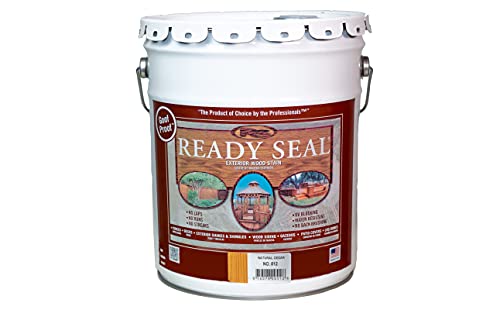
Ready Seal 512 is a cedar-focused exterior stain and sealer that does not require a primer. The finish darkens upon initial application and reaches its true color in approximately 14 days, helping homeowners gauge the final look without guesswork. It is not recommended for surfaces that have been painted or freshly stained, as sealed surfaces can impede penetration. This product is well-suited for cedar siding, fences, and decks where a straightforward, even color is preferred and a single-step application is advantageous.
The application options are flexible: brush, roller, or sprayer can apply Ready Seal to wood surfaces. The formulation is designed to avoid back brushing, runs, laps, or streaks, which helps maintain a smooth, uniform appearance across cedar projects. For best results, ensure cedar is clean, dry, and free of any previous finishes that could hinder absorption. Regular maintenance according to label directions will help preserve color and protection over time.
Flood Easy Seal Cedar Finish
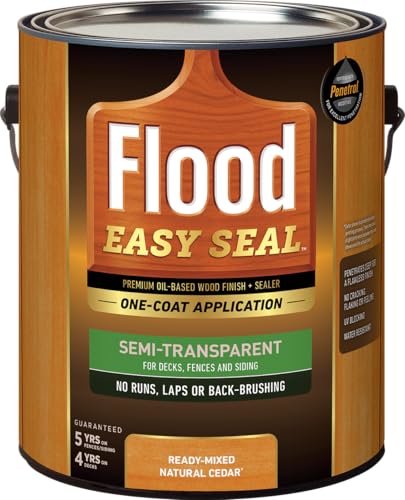
Flood Easy Seal 1 gal Natural Cedar Semi-Transparent Exterior Wood Finish is an oil-based wood finish designed for one-coat application. It includes a PENETROL additive to promote deep penetration for a smooth, uniform appearance and enhanced durability. The product is marketed to prevent runs, laps, and back-brushing, making cedar applications easier to complete with minimal touch-ups. The semi-transparent cedar tone preserves some of the wood’s natural color while providing protective layers against moisture and sun exposure.
This finish is well-suited for cedar boards and other exterior woods where a durable, single-pass application is desired. Oil-based formulations tend to build a protective film and can yield a warm, richer cedar hue. Proper surface preparation—clean, dry cedar free of old finishes—will maximize penetration and longevity. Always follow the manufacturer’s instructions for number of coats and recoat timing to maintain optimal protection.
Cetol SRD Cedar Exterior Finish

PPG ProLuxe Cetol SRD Exterior Wood Finish Translucent – Cedar 077 Y delivers a translucent cedar color designed to showcase cedar grain while adding strong weather protection. The system uses a high solids alkyd resin with UV absorbers to shield the wood from sun damage. An emphasis on microporosity and excellent flexibility helps the finish endure wood movement due to moisture and temperature changes without cracking or peeling. This makes Cetol SRD a solid option for cedar projects where grain visibility and long-term durability are both priorities.
The translucent look is ideal for preserving cedar’s natural character while still providing a durable, protective film. It is suitable for various exterior wood substrates and performs well on vertical surfaces common to siding, fences, and trim. As with any finish, surface preparation, including cleaning and allowing cedar to dry thoroughly, will impact final color and longevity. Always apply per label directions and consider a test patch on similar cedar stock before full-scale use.
General Finishes Exterior 450 Cedar

General Finishes Exterior 450 is a premium water-based wood stain designed for outdoor projects with vertical surfaces such as fences, patio furniture, garage doors, entrance doors, outdoor kitchens, and interior windows. The label notes that these stains are not recommended for large horizontal surfaces like decks, reflecting the film-forming nature of water-based finishes on high-wear horizontal areas. UV absorbers help protect the finish from sun fading, and the product is easy to apply with brushes, rollers, or spray equipment. Cleanup is simple with soap and water.
This option is ideal for cedar projects where ease of application and low odor are priorities, particularly on siding, trim, or vertical features. For cedar decks, look for products specifically formulated for horizontal surfaces or plan for additional protection. As always, test a small area first to verify the appearance on your cedar stock and ensure compatibility with any previous finishes.
Flood FLD520 Cedar CWF-UV Exterior Clear Finish

Flood FLD520 Cedar CWF-UV Exterior Clear Wood Finish is an oil-based option that preserves the natural look of cedar by adding minimal color while highlighting the grain. The CWF-UV formulation penetrates the wood and forms a protective film that guards against moisture and sun damage. This clear finish is well-suited for cedar where maintaining a natural cedar appearance is a priority, such as shingles, trim, or furniture that should not be drastically altered in color.
Because the finish is clear, cedar’s color and grain remain prominent. It is particularly appropriate for newer, less weathered cedar surfaces that you want to shield from the elements without masking the wood’s character. As with other finishes, follow proper prep steps—clean, dry, and free of old coatings—and apply per the manufacturer’s directions for best results and film durability over time.
Buying Guide
When selecting an exterior finish for cedar, consider how color, protection, and maintenance align with your project goals. Below are key purchase considerations from multiple perspectives to help you choose confidently.
- Finish appearance and color retention: Decide between clear, semi-transparent, and translucent options. Clear finishes preserve the natural cedar look, while semi-transparent and translucent stains add color and depth while still showing grain. UV absorbers help maintain color longer and reduce color fading in sun-exposed areas.
- Wood condition and prep: Clean cedar surfaces thoroughly and ensure they are dry before applying any finish. New cedar may require different prep than weathered cedar with old coatings. For best adhesion, remove dirt, oils, and mill glaze, then test a small patch to preview color changes and ensure compatibility with existing finishes.
- Application method and project size: Brush, roller, or sprayer compatibility varies by product. Oil-based finishes often require longer drying times and careful ventilation, while water-based stains clean up with soap and water but may require more frequent recoats. Choose a product that matches your preferred application method and the scale of your project.
- Durability and environmental exposure: Consider the local climate—UV exposure, humidity, and temperature swings all affect cedar. Look for products with UV absorbers and good film integrity to resist cracking and peeling. For high-traffic or horizontal surfaces, select coatings designed for wear resistance on decks and similar areas.
- Maintenance and recoat intervals: Read label guidance for recoat windows, maintenance cycles, and recommended number of coats. Some products are designed for one-coat applications, while others require re-coats every few years depending on wear and weather exposure. Plan for periodic inspections and top-ups to maintain protection.
- Color options and cedar aesthetics: If you want a specific tone (reddish, honey, or grayish cedar), choose a tinted stain or translucent finish accordingly. If you prefer the wood’s natural color, a clear or nearly clear system may be best, knowing it will show weathering over time.
- Compatibility with existing finishes: If cedar already has a previous coating, confirm compatibility to avoid adhesion issues. If uncertain, perform a spot test and consider a light sanding or consultation with the finish’s technical data sheet before full application.
- Eco impact and safety: For indoor-outdoor projects, consider VOC content, odor, and cleanup requirements. Water-based products typically offer lower VOCs and easier cleanup, while oil-based finishes may provide longer durability but require solvent use and more ventilation.
- Cost and long-term value: Durability, maintenance frequency, and coverage influence long-term cost. A higher upfront price may offset maintenance intervals and extend intervals between recoats, depending on climate and sun exposure.
- User experience and brand support: Some brands offer robust technical support and product warranties. Reading user reviews and manufacturer guidance can help anticipate performance on cedar-specific surfaces.