Engineered wood floors paired with radiant heating provide a cozy, even warmth across living spaces without compromising style. The following five products are designed for floating or engineered wood installations, delivering reliable heat, easy installation, and compatibility with common underlayments. This guide highlights practical considerations, installation tips, and how each mat aligns with typical radiant-heat flooring projects.
| Product | Brand | Voltage |
| |
|---|---|---|---|---|
| QuietWarmth 1.5×5 Mat | QuietWarmth | 120V | 7.5 sq ft | Floating flooring compatibility; easy cut-to-length; energy efficient |
| ThermoSoft WS1504-120 | ThermoSoft | 120V | ~6 sq ft | Works with glue, nails, fasteners or floating floors; no cement required |
| LuxHeat 20sqft Kit | LuxHeat | 120V | 20 sq ft | Self-adhesive mat; programmable thermostat; under various finishes |
| QuietWarmth 1.5×5 Mat 240V | QuietWarmth | 240V | 7.5 sq ft | Floating flooring compatibility; similar installation to 120V variant; energy efficient |
| QuietWarmth 3×10 Mat | QuietWarmth | 240V | 30 sq ft | Large-area solution for bigger rooms; cuttable width; efficient heat |
QuietWarmth 1.5×5 Radiant Mat 120V

This mat is designed for floating installations beneath laminate, engineered wood, and luxury vinyl flooring. It provides a slim heat layer that can be cut to length, making layout planning straightforward for irregular rooms. The mat integrates with common underlayments and does not require mortar or self-leveling compounds during installation.
- Compatible with floating engineered wood and other thin flooring options
- Cut-to-length design to fit room dimensions; width cannot be narrowed
- Claims up to 50% lower energy consumption than traditional wired systems
ThermoSoft WS1504-120 Floor Mat
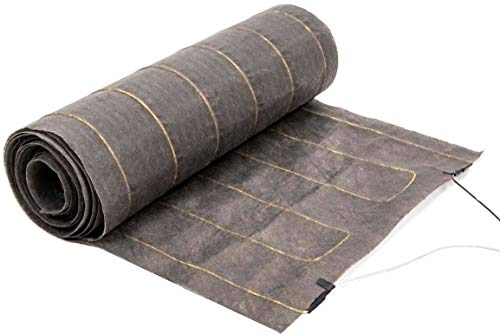
The WS1504-120 is designed for engineered and solid hardwood floors, offering flexibility across gluing, nailing, fasteners, or floating installations. There’s no need for cement or mortar, enabling a cleaner installation with the health advantages of radiant heat—no drafts, reduced dust, and less allergen circulation.
- Versatile installation options for different wood-floor methods
- No cement or mortar required
- Promises quiet, even warmth with fewer particulates in the air
LuxHeat 20sqft Floor Heating Kit

The LuxHeat kit combines a 20 square foot 120V self-adhesive heating mat, a programmable thermostat, and a floor sensor with GFCI protection. It is designed for installation under tile, laminates, and more, with a focus on straightforward adherence and a long warranty. The kit’s self-adhesive backing helps the mat stay flat during installation.
- Self-adhesive mat simplifies placement
- Includes programmable thermostat with floor sensor and GFCI
- Suitable under various finishes, including engineered wood in some layouts
QuietWarmth 1.5×5 Radiant Mat 240V
The 240V variant mirrors the 120V model with the same floating-floor compatibility. It’s aimed at rooms that require higher heat output or quicker warm-up times while maintaining even heat distribution under engineered wood and similar floating floor systems.
- Higher voltage for faster heat response
- Same cut-to-length flexibility as the 120V version
- Energy efficiency claims remain, depending on system design and thermostatic control
QuietWarmth 3×10 Radiant Mat (240V)
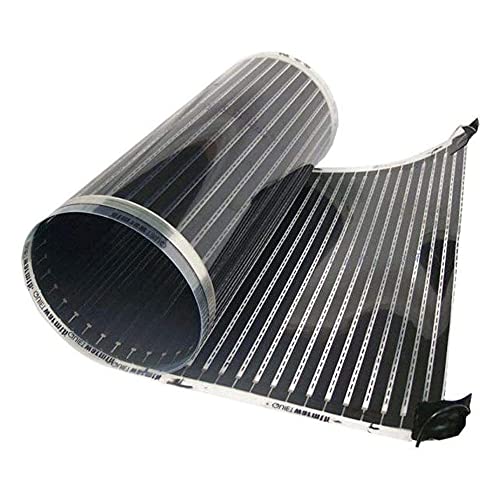
This larger mat is designed for bigger spaces, offering 30 square feet of heated area under floating floors or engineered wood. The mat is cuttable to fit irregular layouts and pairs with compatible thermostats to maintain comfortable floor temperatures across larger rooms.
- Ideal for medium-to-large rooms needing uniform heat
- Cut-to-fit design supports diverse floor plans
- Energy-efficient operation with proper thermostat control
Buying Guide
Choosing the right radiant heating solution for engineered wood floors requires weighing installation conditions, room size, and heat delivery goals. The following factors help buyers compare options and avoid common pitfalls.
Engineered Wood Compatibility
Most floating-floor radiant mats work well under engineered wood and laminate, but check the manufacturer’s guidance on underlayment requirements and maximum thickness. Thicker or denser flooring may affect heat transfer and warming times. If your floor is backing onto radiant heating, ensure the mat is designed for floating installations to avoid excessive pressure on the substrate.
Mat Size, Layout And Flexibility
Consider room shape and square footage when selecting mat size. Larger mats cover more area per piece and may reduce the number of joints, while cut-to-length mats offer flexibility for irregular rooms. Ensure the width of mats matches the planned layout or can be adapted with minimal waste.
Voltage And Energy Use
120V mats are common and suit most residential applications, offering straightforward integration with standard home circuits. 240V mats deliver higher heat output and may warm spaces faster but require compatibility with your electrical setup and thermostat. Energy efficiency depends on insulation, room size, and thermostat programming; look for features like built-in GFCI protection and programmable schedules.
Thermostats, Sensors And Safety
A reliable thermostat with floor sensing provides accurate control and minimizes overshoot. Look for features such as 7-day scheduling, floor-sensor integration, and protection against moisture and short circuits. A step-up kit with a dedicated thermostat and sensor can simplify future upgrades and maintenance.
Installation And Subfloor Preparation
Most mats require a flat, clean subfloor and a compatible underlayment. Do not cut heater wires; instead, cut the mesh or mat to fit turns and edges. Wires should be embedded in a thin-set, self-leveling compound, or appropriate underlayment as specified by the mat manufacturer. Avoid placing mats over substrates that bow or flex excessively, which can damage the heating elements over time.
Durability, Warranty And Support
Choose mats with solid warranties and clear guidance on installation and troubleshooting. Longevity depends on proper installation, flooring type, and household use. Brands with long track records and customer support ease should be prioritized, especially for hard-to-reach spaces or large-scale projects.
Sound, Comfort And Air Quality
Radiant heating tends to create a more even warmth with fewer drafts and dusty air compared to forced-air systems. However, ensure the flooring installation is properly sealed and that any adhesives or leveling compounds used are compatible with radiant heat to maintain indoor air quality and comfort over time.
Comparative Quick Take
- 120V mats are widely compatible and easy to wire into standard circuits; ideal for renovations.
- 240V mats provide stronger heat output for larger or draft-prone spaces but require careful electrical planning.
- Underlayment and wood floor compatibility significantly affect performance; plan for subfloor prep and moisture management.
- Programmable thermostats with floor sensors improve comfort and energy efficiency significantly.
- For engineered wood, floating-install mats with adhesive backing simplify installation and maintenance.