Choosing enamel paint for furniture blends durability with a smooth, resilient finish. The right enamel resists daily wear, moisture, and minor scratches while still delivering a refined look. This guide highlights five enamel options from trusted brands that work well on wood, metal, and cabinets—covering oil-based rust protection, water-based ease of use, and spray versus brush-on formats. A quick summary table below helps you compare coverage, drying times, and standout benefits at a glance. Each product section includes practical tips for American homes and typical furniture projects.
| Product | Brand | Finish | Notable Benefit |
|---|---|---|---|
| Rust-Oleum Stops Rust Enamel (32 oz) | Rust-Oleum | Black Satin | Oil-based with rust prevention; covers up to 100 sq ft |
| Painter’s Touch Enamel Latex Paint, 8 oz | Rust-Oleum | Semi-Gloss Black | Low odor; quick-dry; covers up to 30 sq ft |
| High-Performance Enamel Spray (15 oz) | Rust-Oleum | Semi-Gloss White | Spray-on enamel; dries fast; ideal for multiple surfaces |
| Stops Rust Brush On Paint (1 qt) | Rust-Oleum | Gloss Sunburst Yellow | Brush-on with rust protection; covers up to 55 sq ft |
| DecoArt | Satin White | Smooth satin enamel for furniture repair and upcycling |
Rust-Oleum Stops Rust Enamel (32 oz)
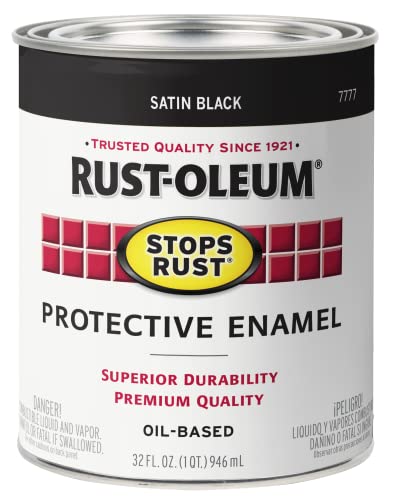
Rust-Oleum’s 7777502 delivers weather- and corrosion-resistant enamel suitable for both exterior and interior surfaces. The oil-based formula creates a durable protective coating that helps prevent rust on wood, metal, concrete, masonry, and more. With coverage up to about 100 square feet per quart, this option is well-suited for larger furniture pieces or projects that require robust protection. The satin black finish provides a timeless look compatible with a wide range of decors, making it a versatile choice for tables, chairs, and hardware.
Application tips emphasize thin, even coats with a 2–4 hour dry window between layers. Cleanup requires mineral spirits, and adequate ventilation is essential due to solvent odor. For best results on furniture, start with clean, lightly sanded surfaces and complete a light deglossing if the existing finish is glossy. The result is a durable, protective finish that holds up to repeated use and exposure to humidity or outdoor conditions.
Painter’s Touch Enamel Latex Paint, 8 Oz
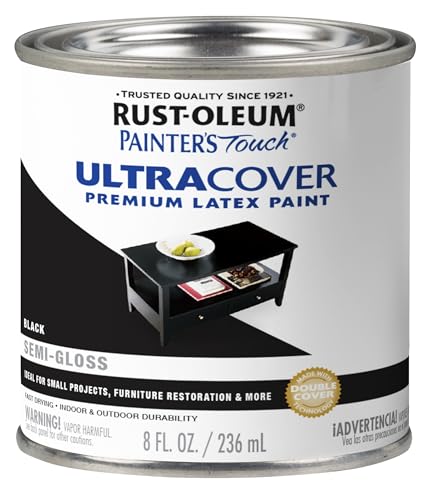
This Rust-Oleum Painter’s Touch Enamel Latex Paint is a water-based enamel ideal for indoor and outdoor projects. The low-odor acrylic enamel is suitable for wood, metal, plaster, masonry, and unglazed ceramic, making it a flexible option for furniture repairs and refinishing. It resists chips and provides long-lasting protection while remaining easier to clean up than traditional oil-based enamels. A typical coat covers up to 30 square feet and dries to the touch in about 30 minutes, enabling faster project completion when refinishing a desk, nightstand, or cabinet doors.
Because it is water-based, you’ll benefit from lower odor and simpler cleanup with soap and water. For best results on previously finished surfaces, a light scuffing or a bonding primer may be advisable to improve adhesion. Quick recoat times allow for multi-coat builds in a single day, preserving the smooth aesthetic essential for furniture pieces that see frequent use.
High-Performance Enamel Spray (15 oz)

This Rust-Oleum spray enamel provides a durable finish designed for ferrous and non-ferrous metals, wood, concrete, and masonry. The oil-based formula offers strong rust protection and a tough, weather-resistant color that holds up under exposure to the elements. Coverage is typically up to 14 square feet per can, with a dry-to-touch time of about 15 minutes and the ability to recoats within an hour for rapid project completion. This makes it a practical choice for metal hardware, decorative metalwork, or furniture accents that benefit from a spray finish.
To achieve a smooth, even coat, apply in several light passes rather than a single heavy layer. Maintain a consistent distance and keep the can well shaken to prevent runs. Use in a well-ventilated space and wear appropriate respiratory protection when spraying outdoors or in enclosed areas. Color consistency across multiple pieces can be enhanced by priming the surface and selecting complementary base colors.
Stops Rust Brush On Paint, 1 Qt

This enamel brush-on from Rust-Oleum offers robust protection in a convenient quart size. The gloss sunburst yellow shade delivers bold color while maintaining the protective qualities needed for furniture that faces wear and outdoor exposure. Coverage is up to 55 square feet, and the oil-based formula dries to the touch in 2–4 hours. The brush-on format is well-suited for furniture with curves, trim work, and small accents, enabling precise color application on tabletops, legs, or decorative panels.
Preparation remains key: remove dust, degrease surfaces, and lightly sand glossy areas to improve adhesion. Apply thin coats with steady strokes to minimize brush marks, and allow ample drying time between coats. For color vibrancy and durability, consider a compatible primer and a topcoat tailored to the chosen finish and usage environment.
Americana Decor Satin Enamel Paint (White, 8 oz)

Americana Decor Satin Enamel is a satin acrylic enamel designed for furniture repair, upcycling, and decorative projects. This 8-ounce white paint restores a smooth, satin finish on wood while providing a protective layer to help resist daily wear. The package includes an exclusive e-book to guide DIY enthusiasts through common furniture makeover techniques. One jar typically yields about two coats on roughly 20 square feet, making it a cost-effective option for small to medium refinishing projects or touch-ups on white-painted pieces like shelves, cabinets, or tabletops.
As with other acrylic enamels, surface prep matters: clean and lightly sand to remove gloss, then apply in thin, even coats. Since it’s a satin enamel, you’ll achieve a balanced sheen that conceals minor imperfections while maintaining a clean, contemporary look suitable for bedrooms, kitchens, and living areas. Follow with a compatible topcoat if additional durability is required for high-traffic surfaces.
Buying Guide
Key purchase considerations help ensure you choose the right enamel for your furniture project. Finish type and sheen influence both appearance and wear resistance, while the base—oil-based versus water-based—affects odor, cleanup, and long-term durability. Oil-based enamels typically deliver stronger rust protection and a tougher surface on metal and outdoor pieces, but require solvents and longer cure times. Water-based enamels offer lower odor and easier cleanup, with faster touch-dry times suitable for indoor furniture refinishing. Spray enamels speed up large-area jobs but demand good ventilation and masking to protect nearby surfaces.
Surface compatibility matters as well. Check that the enamel is suitable for wood, metal, or composite furniture, and consider priming or sanding to improve adhesion. For glossy or previously finished surfaces, scuffing or using a bonding primer can help the new enamel adhere more effectively. Durability expectations should guide your choice of finish; satin hides minor imperfections well, while semi-gloss and gloss provide a more durable topcoat that resists wear and moisture. Plan for drying and recoat times to optimize your workflow and minimize dust or fingerprints on the cured finish.
Application method and equipment are practical considerations. Brush-on enamels are versatile for detailed furniture work, edge trim, and curved surfaces, while spray enamels offer uniform coverage on larger flat areas with less manual effort. If you’re refinishing a kitchen cabinet or a table with hinges or hardware, compatible spray or brush-on options can be used in combination, provided you follow a proper sequence and allow adequate cure time between steps. Finally, consider color stability and potential yellowing, especially for white or light tones; some paints respond better to topcoats or UV-protective finishes over time.