Concrete acid stains create permanent color by reacting with lime in cured concrete, yielding variegated, marble-like finishes for floors, patios, and other surfaces. This guide highlights five widely used acid stains chosen for durability, color range, and ease of use. Each product delivers a unique pattern, so no two slabs look the same. The selections span warm browns, Ebony, Umber, and Tan tones, suitable for indoor and outdoor projects. Use the summary table to compare colors, brands, and intended surfaces before choosing the right stain for your project.
| Product | Brand | Color | Notes |
|---|---|---|---|
| BEEST Burnt Ember Acid Stain | BEEST | Burnt Ember | Permanent marbled finish; deep penetration; 3 color choices |
| Vintage Umber Acid Stain | Concrete Floor Supply | Vintage Umber | Natural marbling; permanent chemical reaction |
| Vivid Ebony Acid Stain | CC Concrete Coatings | Ebony | Wide color range; easy to apply and maintain |
| Cola Acid Stain | Concrete Floor Supply | Cola | Natural marbling; permanent |
| Maylay Tan Acid Stain | Concrete Floor Supply | Maylay Tan | Natural marbling; permanent |
BEEST Burnt Ember Acid Stain

BEEST acid stains are designed for cured concrete, offering beautiful color that creates distinctive designs on floors, pavers, patios, countertops, cement, and driveways. The acid penetrates deeply and reacts with the mineral makeup of concrete to deliver a permanent, marbled finish. The Burnt Ember variant provides warm, reddish-brown tones with natural variations that add depth and texture, while the broader line includes Dark Shadow and Slate for broader palette options. The stain is described as versatile, long-lasting, and easy to apply for both DIYers and professionals.
Application relies on a chemical reaction with the lime in concrete, making color unique to each surface. This means no two installations look identical, a factor valued by designers seeking one-of-a-kind aesthetics. For best results, proper surface preparation and cure are essential, followed by sealing to maximize color retention and wear resistance. BEEST emphasizes durability, with a finish designed to resist fading and wear over time. Pairing with an appropriate sealer helps protect the marbled appearance and extend service life on outdoor surfaces exposed to weather.
Vintage Umber Acid Stain

Concrete Floor Supply’s Vintage Umber acid stain delivers a natural marbling effect produced by a chemical reaction with the lime in concrete. The result is a permanent color that won’t wash away, making it suitable for high-traffic areas such as kitchens, foyers, patios, and outdoor surfaces. The product is described as professional grade while remaining accessible to DIY enthusiasts, enabling users to achieve a durable, professional-looking finish with proper surface prep and sealing.
Because the stain’s appearance depends on the concrete’s mineral composition, expect subtle variations in tone and pattern across slabs. This characteristic can enhance the character of a space, especially when sealed to protect the color. For best outcomes, ensure the surface is clean, cured, and properly prepared, then apply according to the manufacturer’s instructions. Sealing after staining can help preserve color intensity and resist wear from foot traffic, weather, and abrasives.
Vivid Ebony Acid Stain

CC Concrete Coatings Vivid Acid Stain Ebony offers a broad color range and is designed for easy application and maintenance. When applied correctly and sealed, these stains deliver professional-looking results with minimal ongoing effort. The Ebony shade provides a deep, rich tone that can complement contemporary spaces or rustic designs, depending on the sealer and finished texture chosen. The product is described as budget-friendly relative to other finishes, making it a practical option for projects requiring a balance between cost and visual impact.
Key features include straightforward application, low maintenance after sealing, and a permanent color once the chemical reaction completes. A 4 oz tester is offered for some variants, allowing a preview of color depth before committing to larger quantities. For best results, follow surface prep steps, test color on a small area, and use a compatible sealer to lock in the color and protect against staining, wear, and UV exposure in outdoor installations.
Cola Acid Stain

Cola Acid Stain provides a natural marbling effect produced by a chemical reaction that permanently colors concrete. The product is marketed as a professional-grade option that anyone can use, aligning with DIYers seeking affordable yet durable results. Like other acid stains, the final hue is influenced by the concrete’s mineral content, so expect unique, variable patterns across applications. When used on properly prepped, cured concrete and sealed afterward, Cola can deliver long-lasting color with relatively low maintenance.
Preparation is critical: clean and etch or neutralize as required, then apply in thin, even coats for consistent color development. After the stain cures, a compatible sealer should be applied to protect the color, reduce patina from wear, and help resist staining from spills. The Cola line offers a straightforward path to earthy, coffee-toned finishes that pair well with natural or industrial aesthetics.
Maylay Tan Acid Stain
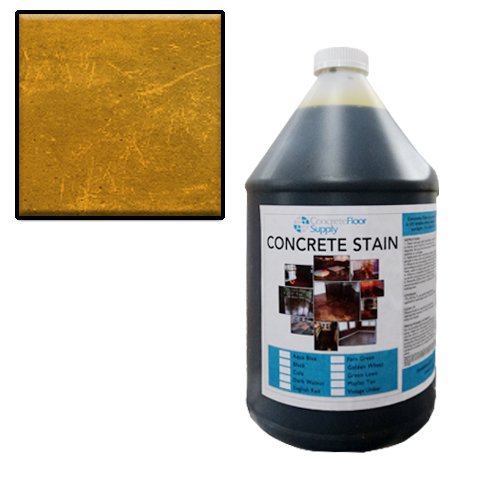
Maylay Tan Acid Stain delivers a natural marbling effect through a chemical reaction with concrete, yielding a permanent color suitable for floors, patios, and countertops. This product is positioned as a professional-grade option that laypersons can use with proper preparation and technique. Maylay Tan commonly pairs with sealers that enhance color depth and provide protection against wear and weather. The tone is well-suited to warm, earthy interiors and outdoor spaces that benefit from a soft, tan-to-brown palette.
As with other acid stains, expected variation in color and pattern reflects the substrate’s composition, creating a unique finish for each application. Thorough surface prep—ensuring the concrete is clean, dry, and properly cured—along with a compatible sealer, will help maximize color permanence and minimize blotching or uneven absorption over time.
Buying Guide
Key purchase considerations
- Color range and variation: Acid stains yield unique, variegated patterns. Choose a color family that complements your space and planned sealer finish.
- Surface prep and compatibility: Ensure the concrete is fully cured, clean, and free of sealers or coatings that could block the stain. Not all stains are suitable for every substrate or existing finishes.
- Application method: Some stains are ready-to-use liquids; others may require dilution or specific application tools. Follow manufacturer directions for best results.
- Sealing and longevity: A compatible sealer locks in color and improves wear resistance. Decide between matte, satin, or high-gloss finishes based on traffic and aesthetics.
- Size and value: Larger containers can reduce per-square-foot cost, but consider color saturation and waste. Test colors on small areas when possible.
- Safety and ventilation: Work in a well-ventilated area and use gloves and eye protection as recommended by the manufacturer.
How to compare the five products
- BEEST Burnt Ember offers a warm, multi-color range with three color options and a strong emphasis on durability and long-lasting marbling.
- Vintage Umber focuses on a natural marbling effect with a permanent response, marketed as a professional-grade option accessible to DIYers.
- Vivid Ebony emphasizes a deep, rich Ebony shade and a broad color lineup, with easy application and maintenance, and potential tester sizes.
- Cola provides natural marbling with a permanent stain and is presented as a budget-friendly, professional-grade choice.
- Maylay Tan targets earthy tones with a permanent finish, suitable for warm interiors and outdoor spaces, with emphasis on proper prep and sealing.
All five products rely on a chemical reaction with the concrete’s lime content to create durable, one-of-a-kind patterns. When choosing, consider the space’s lighting, traffic, and whether you will seal the surface with a compatible finish. For best results, test the color on a small, inconspicuous area and follow each brand’s prep and sealing recommendations to maximize color stability and longevity.